
Table of Contents
The Commodity Perception Trap
The “Guy with a Truck” Dilemma
Every native plant nursery owner knows the frustration of being misunderstood. You spend years studying plant biology, local ecotypes, soil chemistry, and native seed collection. You know exactly which species support endangered butterflies, and you understand how deep root systems restore degraded soils. Yet when a prospective customer calls your nursery, they often treat you like an unlicensed laborer who cuts grass on the weekends. They lump your expert operation into the category of the random guy with a truck who offers cheap yard cleanups.
This commodity trap destroys your profit margins and burns out your staff. When you focus on elevating your brand, you shatter that false impression before a customer ever picks up the phone.
The heart of the dilemma lies in how people make snap judgments in the modern marketplace. When retail homeowners or commercial buyers search for native plants online, they bring specific expectations about professionalism. If your digital presence looks informal, disorganized, or amateur, they assume your plants and services share those same qualities. They do not see your scientific rigor or your passionate dedication to biodiversity. Instead, they see an informal outfit and expect cut-rate bargain pricing.
Elevating your brand is the only reliable way to break free from this perception. By presenting your nursery through a refined, authoritative digital lens, you teach visitors to respect your deep horticultural knowledge.
Escaping the guy with a truck stereotype requires intentional positioning across every customer touchpoint. When someone lands on your homepage, they should immediately sense that you are an ecological authority. They need to understand that buying from you is completely different from picking up a plastic potted plant at a gas station or hiring an untrained mower. Elevating your brand allows you to command higher prices that reflect the true value of native plants grown with known provenance and ecological integrity.
The Root Cause: Why Generic Templates Fail
Most native plant websites fail because they rely on generic, off the shelf website templates. These cookie cutter themes were designed for coffee shops, yoga studios, or clothing boutiques, not specialized botanical operations. When nursery owners try to force native plant data into a standard template, the user experience falls apart. Generic templates cannot handle complex botanical taxonomies, seasonal availability changes, or detailed habitat specifications.
As a result, the nursery looks scattered and careless online. Dedicating resources to elevating your brand means moving away from these shallow solutions and building a platform that fits your real business model.
A generic template forces you into rigid boxes that hide your strengths. You end up with plant profiles that display a single blurry photo, a vague common name, and an arbitrary price tag. Important details like root depth, bloom color, soil moisture preference, and wildlife value get shoved into a messy text paragraph that nobody reads. Visitors cannot search by light level or soil type, so they leave your site in frustration. In this way, standard web builders actively harm your reputation by making your nursery look like a low tier retailer. For growers seeking sustainable growth, elevating your brand requires custom website architecture that honors the complexity of nature.
Furthermore, generic templates carry heavy code bloat that slows down your website. Slow page loading times drive away landscape architects and homeowners who want quick answers on mobile devices. A slow, broken template signals that you do not take modern business tools seriously. When you invest in elevating your brand through purpose built web design, every page loads quickly and presents your plant inventory with precision and elegance.
The Cost of Cheap Positioning
Underpricing your native plant stock is a dangerous race to the bottom. Big box garden centers sell mass produced cultivars treated with chemical fertilizers and neonicotinoids at prices you cannot match. If your website presents you as just another cheap plant vendor, your customers will constantly compare your prices to multinational home improvement stores. They will complain about your prices because they do not understand why an open pollinated, pesticide free native perennial is worth three times more than a sterile hybrid clone. Elevating your brand educates your audience so they willingly pay premium prices for authentic native species.
Cheap positioning also drains your company morale and stalls your business expansion. When you accept tiny profit margins, you cannot afford to upgrade your greenhouse infrastructure, invest in proper seed storage, or pay living wages to your crew. You remain stuck working twelve hour days just to keep up with basic nursery maintenance.
Elevating your brand changes this dynamic by attracting serious clients who care about ecological outcomes, conservation ethics, and botanical authenticity. These clients value your guidance and do not haggle over every five dollar pot.
The hidden financial cost of cheap positioning becomes obvious during difficult economic cycles. Discount buyers have zero brand loyalty; they will leave you the second another seller offers a cheaper plant. In contrast, clients who connect with a premium, mission driven nursery become lifelong partners. By elevating your brand, you insulate your nursery against price wars and build a loyal base of retail and wholesale accounts that sustain your growth over decades.
The Basic Premise: Perception Governs Pricing Power
In business, customer perception dictates pricing power. People do not pay for the physical plastic container or the soil inside it; they pay for the outcome that your plant creates. They pay for a thriving meadow, a successful wetland restoration project, or a buzzing pollinator garden that survives harsh local winters. If your website looks like a high school science project from twenty years ago, visitors will never perceive the real value of what you offer. Elevating your brand bridges the gap between your real world botanical expertise and your public digital presentation.
When your digital storefront reflects elegance, clarity, and authority, customers naturally assume your plants are of superior quality. A clean layout, crisp nature photography, and accurate botanical details tell the visitor that you operate at the highest industry standards. This level of presentation creates psychological comfort for high budget clients, including landscape architects, city planners, and private estate managers. Elevating your brand establishes the credibility required to land five figure commercial planting contracts.
Your pricing power expands as soon as your visual presentation matches your professional knowledge. Instead of apologizing for higher prices, you display your prices with confidence alongside detailed provenance data and propagation details. When you make elevating your brand a primary operational priority, you signal to the world that you are the premier regional expert in native plants.
Five Critical Pain Points Sabotaging Native Plant Websites
Botanical Taxonomy Collapse
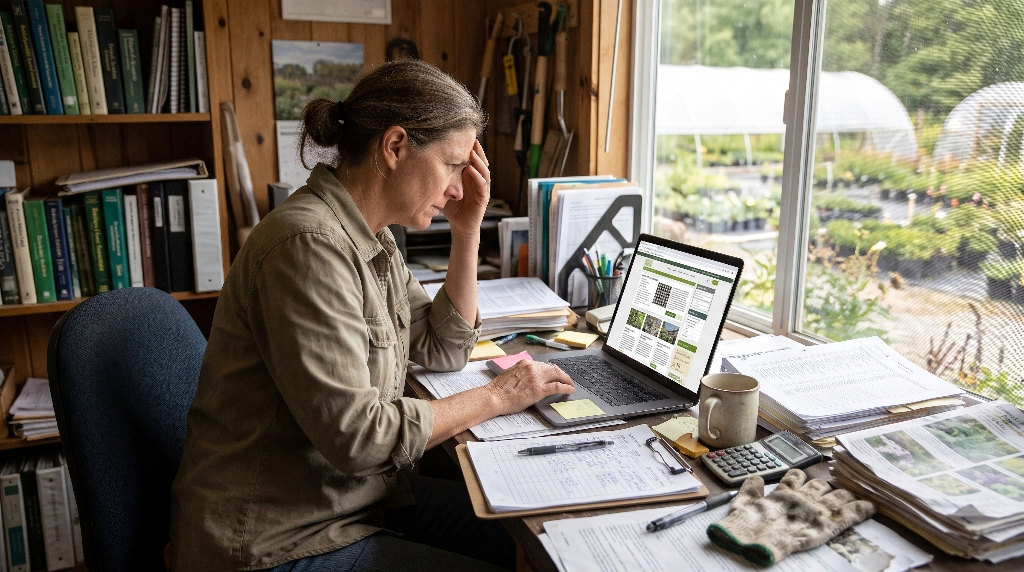
The single biggest technical failure on native plant websites is the collapse of botanical taxonomy. Most website developers do not understand the difference between a straight native species and an ornamental cultivar. They mix up common names, misspell Latin scientific names, and lump plants into useless broad categories like “perennials” or “shrubs.” For an educated native plant customer, seeing botanical errors on a website destroys credibility instantly. Elevating your brand requires a rock solid taxonomic database that respects the exact nomenclature used by botanists and ecologists.
Common names cause massive confusion that leads to lost sales and angry returns. A customer looking for butterfly weed might mean Asclepias tuberosa, but another shopper using the same term might expect Asclepias incarnata or even Gaura. Worse, they might even confuse it with buttefly bush (Buddleja davidii).
When a website lacks structured Linnaean nomenclature, buyers cannot verify what they are purchasing. Serious plant buyers will simply close the browser tab and shop elsewhere. By elevating your brand through proper taxonomy, you demonstrate that your nursery operates with scientific accuracy and professional discipline.
Proper taxonomy also supports strong search engine rankings. Gardeners and restoration specialists frequently search for plants by their exact botanical Latin names, such as Solidago speciosa or Echinacea purpurea. If your website lacks dedicated fields for botanical taxonomy, search engines will fail to match your pages with high intent customer searches. Elevating your brand through structured data helps search engines understand your catalog, driving qualified organic traffic directly to your species pages.
The Inventory Friction Bottleneck
Nothing frustrates modern plant buyers more than inventory friction. Thousands of native plant nurseries still force visitors to download a static PDF file or an Excel spreadsheet just to check current stock. These downloadable files are usually out of date, painful to view on a smartphone screen, and impossible to search quickly. Customers cannot see container sizes, plant quantities, or root conditions without calling the nursery office. Elevating your brand means replacing clumsy PDF files with a live, dynamic, and mobile friendly digital inventory catalog.
When you force customers to call or email to confirm plant availability, you create an unnecessary barrier to sales. Homeowners who want to buy fifty plugs for a weekend project will not wait two days for a return phone call. Commercial project managers with tight installation schedules will avoid any nursery that cannot confirm inventory numbers in real time. Elevating your brand involves giving buyers instant transparency into your actual greenhouse benches and nursery beds.
+------------------------------------+---------------------------------------+
| Outdated Nursery Methods           | Modern Biophilic Web Architecture     |
+------------------------------------+---------------------------------------+
| Static monthly PDF inventory lists | Live, dynamic cloud database          |
| Clumsy telephone stock inquiries   | Instant container and plug counts     |
| Generic common names only          | Linnaean Latin plus regional ecotypes |
| Single blurry flower thumbnail     | Habitat, root, and seasonal imagery   |
| Flat text descriptions             | Filterable ecological guilds          |
+------------------------------------+---------------------------------------+
Reducing inventory friction also frees up your staff to do valuable work. Instead of spending hours answering repetitive phone calls about whether you have two gallon pots of sweetspire in stock, your team can pack orders and care for plants. Customers appreciate the speed and convenience of an intuitive online catalog. By elevating your brand with live stock tracking, you make doing business with your nursery effortless and pleasant.
Misaligned Visual Aesthetics
Many green industry websites suffer from visual aesthetics that completely miss the mark. Some nurseries use sterile corporate themes filled with artificial stock photos of chemically manicured lawns and non native ornamental annuals. Other nurseries swing too far in the opposite direction, featuring chaotic layouts, tiny fonts, and low resolution photos taken in harsh afternoon sunlight. Neither style appeals to modern consumers who value sustainable outdoor living. Elevating your brand requires a balanced, biophilic aesthetic that feels natural, organic, and thoroughly professional.
Native plant customers love natural beauty, texture, and authentic biological forms. They appreciate the fine filigree of a native grass seed head, the deep texture of oak bark, and the natural hues of unbleached soil and river stone. When your website uses neon green plastic buttons and artificial stock photos, it feels fake and discordant. Elevating your brand means building a digital space that mirrors the calm, restorative feeling of walking through a healthy native forest or prairie.
Every image on your website should communicate real botanical value. Rather than showing an isolated flower petal clipped out on a white background, display the plant thriving in its natural plant community. Show bumblebees visiting the blossoms and illustrate how the foliage looks during the autumn months. Elevating your brand through thoughtful visual storytelling connects with your customers on an emotional level and proves that you understand native ecology.
The Commercial vs. Retail Divide
Native plant nurseries often serve two completely different client groups: everyday backyard retail gardeners and high volume commercial landscape professionals. These two audiences have totally different purchasing behaviors, communication needs, and price expectations. Most nursery websites cram both groups into the same flat page, confusing homeowners with technical jargon while frustrating contractors who cannot find bulk pricing. Elevating your brand demands that you create clear, parallel pathways tailored to each specific buyer type.
Retail gardeners need educational guidance, simple installation instructions, and friendly advice on attracting birds and butterflies. They want to know how tall the plant grows, how much sun it requires, and whether deer will eat it. In contrast, commercial buyers need specification sheets, root ball dimensions, wholesale tray multiples, delivery logistics, and prompt credit terms. When your website fails to separate these journeys, both audiences walk away unsatisfied. Elevating your brand provides smooth digital paths that speak directly to each user group.
When commercial buyers see a dedicated professional portal, they take your nursery seriously. They recognize that you have systems in place to handle large orders, project delivery windows, and contract growing. At the same time, retail buyers feel welcomed rather than intimidated. By elevating your brand with divided audience architecture, you maximize revenue from both sides of the market without creating administrative confusion.
Passive Lead Generation
A generic contact form that says “Leave a message” is a black hole for potential revenue. Too many nursery websites feature a bare page with three blank text fields and no clear guidance. Potential clients who want an estimate for a large restoration project do not know what information to provide, leading to vague messages that take days of back and forth emails to clarify. Elevating your brand requires active lead generation systems that qualify incoming prospects, capture project variables, and organize customer data automatically.
Effective digital lead generation guides the user through structured questions. A smart inquiry workflow asks about project square footage, light conditions, soil drainage, budget expectations, and installation timelines. When a customer completes this guided intake, they feel heard, and your sales team receives the exact parameters needed to write an accurate quote. Elevating your brand means turning your website into an automated intake specialist that works for you every hour of the day.
Passive websites miss out on high value consultation requests. Many property owners want native landscaping but feel overwhelmed by the planning process; they want professional guidance and are willing to pay for on site consultations. A well designed site highlights your design and consulting services with clear pricing, service descriptions, and booking forms. By elevating your brand with active lead intake, you transform casual window shoppers into booked consultations and paid orders.
Biophilic Design Principles for High-Converting Nurseries

Beyond Green Color Swatches
Many designers mistakenly believe that slapping a bright shade of lime green on a website makes it natural. In reality, bright artificial greens are rare in wild landscapes and often cause visual fatigue on computer screens. True biophilic design looks deeper into the physical world to extract colors that invoke calm, balance, and trust. For nursery owners focused on elevating your brand, your digital color palette should reflect authentic geological and botanical tones.
+------------------+-----------------------+---------------------------------+
| Palette Role     | Natural Inspiration   | Psychological and Visual Impact |
+------------------+-----------------------+---------------------------------+
| Deep Foundation  | Rich forest loam, wet | Creates stability, weight, and  |
|                  | river stone, charcoal | high readability for body text  |
+------------------+-----------------------+---------------------------------+
| Warm Midtones    | Weathered driftwood,  | Builds soothing backgrounds,    |
|                  | dried prairie grasses | reducing glare and eye strain   |
+------------------+-----------------------+---------------------------------+
| Focused Accents  | Goldenrod, cardinal   | Directs attention to calls to   |
|                  | flower, ripe sumac    | action and cart buttons cleanly |
+------------------+-----------------------+---------------------------------+
Consider using deep earthy neutrals inspired by forest soils, weathered tree bark, river stones, and dry native grasses. Soft ochres, warm sienna tones, muted slate, and soft moss greens create an inviting atmosphere where plant photography can truly shine. These colors do not compete with your specimen images; they frame them naturally. Elevating your brand through an intentional biophilic palette reassures visitors that your business operates in harmony with the environment.
A refined color palette also improves the legibility of your botanical text. High contrast between your text and background ensures that older homeowners and outdoor workers using phones in bright sunlight can easily read your plant catalog. Elevating your brand means avoiding harsh neon accents and instead using rich, nature inspired colors that guide the eye smoothly across the page.
Authentic Materiality in Digital Spaces
Biophilic design incorporates subtle textures and organic patterns that bring warmth to digital screens. While standard websites feel cold and plastic, a biophilic web layout introduces organic micro textures that evoke real physical materials. Subtle paper textures, tactile border treatments, and gentle organic dividers echo the natural world without looking busy or cluttered. Elevating your brand through authentic digital materiality gives your website a handcrafted, premium character that visitors remember.
The layout of your content can mirror organic branching patterns found in leaves and river deltas. Instead of rigid, sterile grids, biophilic web architecture uses rhythmic spacing, rounded corners, and gentle organic shapes that flow naturally down the screen. This design philosophy removes the clinical feeling of corporate e-commerce and replaces it with a restorative, sensory experience. Elevating your brand in this manner helps your nursery stand out from industrial mass retailers.
Materiality also extends to how your site handles typography. Using elegant typefaces with humanistic letterforms and sturdy serifs communicates warmth, history, and scientific integrity. When paired with high resolution photography of plant specimens, these typographic choices turn a routine web search into an enjoyable journey. In every visual element, elevating your brand reinforces the deep biological foundation of your work.
Visual Rhythm and Cognitive Load
Modern consumers are constantly overwhelmed by flashing digital banners, popup ads, and chaotic menus. When they encounter a website that is cluttered and screaming for attention, their stress levels rise, and they leave. Nature, by contrast, possesses a balanced visual rhythm that calms the human nervous system. Biophilic web architecture utilizes this natural cadence to organize complex plant catalogs without overwhelming the visitor. Elevating your brand means designing an uncluttered interface that reduces cognitive fatigue and makes plant shopping a relaxing pleasure.
In native plant landscapes, the eye naturally rests on layered structures, from tall forest canopy trees down to low groundcovers. A premium website organizes content in the exact same layered manner. Big clear headings establish the broad context, secondary tags describe specific habitat traits, and collapsible detail panels hold deep technical information for those who want it. Elevating your brand through structured visual hierarchy allows casual buyers to browse easily while giving experienced botanists rapid access to technical data.
       [Canopy Layer: Major Plant Family & Scientific Name]
                                 │
     [Understory Layer: Growth Habit, Light & Water Needs]
                                 │
   [Groundcover Layer: Deep Technical Data, Ecotype & Range]
When you control cognitive load, your conversion rates increase. Visitors stay on your site longer, explore more species, and read your educational articles. They do not get confused by endless columns of unorganized text. Elevating your brand with peaceful visual rhythm creates a tranquil shopping experience that reflects the peaceful feeling of walking through a native garden.
Accessibility and Readability Standards
True ecological stewardship means caring for all members of the community, and web design should reflect those same inclusive values. Web accessibility ensures that people with visual impairments, color blindness, or physical limitations can easily navigate your catalog. Meeting Web Content Accessibility Guidelines, specifically WCAG 2.2 AA standards, is not just a legal safeguard; it is a direct expression of your nursery’s values. Elevating your brand requires that your website works seamlessly for every gardener, regardless of their physical abilities or age.
Many gardeners are older adults who struggle to read tiny light gray text on white backgrounds. An accessible site uses large, readable font sizes, strong color contrast ratios, and clear descriptive buttons. Screen readers should be able to parse your botanical taxonomy tables effortlessly, announcing plant names and habitat conditions in a logical sequence. Elevating your brand means making your digital nursery accessible to every customer who loves native flora.
Accessibility also means designing for outdoor environments. Landscape contractors and homeowners often use your website on mobile phones while standing in bright sunlight on a muddy job site. If your buttons are too small to tap with dirty thumbs, or if your text disappears in glare, you lose sales. Elevating your brand ensures that your website remains crisp, functional, and easy to use anywhere, from a cozy living room to an open prairie restoration field.
Structuring Botanical Taxonomies
Faceted Search Infrastructure
Finding the right plant for a difficult garden location should be fast and simple. A homeowner might have a steep clay bank in full sun that stays dry all summer, while a landscape architect might need salt tolerant shrubs for a coastal wetland basin. Standard web search bars cannot handle these complex ecological combinations. Elevating your brand requires a powerful faceted search engine that allows visitors to filter plant collections across multiple ecological variables simultaneously.
+----------------------------------------------------------------------------+
|                     NATIVE SPECIMEN SEARCH ENGINE                          |
+---------------------+----------------------+-------------------------------+
| Light Exposure      | Soil Moisture        | Wildlife Association          |
| [ ] Full Sun        | [ ] Hydric (Wet)     | [x] Monarch Larval Host       |
| [x] Partial Shade   | [x] Mesic (Average)  | [ ] Specialist Bee Pollen     |
| [ ] Full Canopy     | [ ] Xeric (Dry)      | [ ] Songbird Seed Resource    |
+---------------------+----------------------+-------------------------------+
| Filter Results: 14 Specimen Matches Found (Live Database)                  |
+----------------------------------------------------------------------------+
With faceted filtering, your customers can combine diverse search criteria with a few clicks. They can select “Full Sun,” “Wet Clay,” “Deer Resistant,” and “Monarch Caterpillar Host” to generate an accurate list of suitable species immediately. This capability transforms your website from a simple digital brochure into an indispensable botanical design tool. When your platform solves real landscaping problems so effectively, elevating your brand occurs naturally in the minds of your customers.
Building this robust faceted architecture requires clean database planning. Each plant specimen must be tagged consistently with standardized values rather than arbitrary text descriptions. Soil moisture should follow established ecological scales, such as hydric, mesic, and xeric, alongside plain language explanations. Elevating your brand through technical database engineering positions your nursery as a trusted technical authority in ecological restoration.
The Specimen Detail Page Framework
The specimen detail page is the heart of your digital business. This is where curious visitors transform into paying customers. A weak specimen page shows a tiny photo and a one sentence note, leaving the buyer uncertain. A premium specimen page functions as a mini field guide, providing comprehensive botanical, ecological, and cultural data in a structured, beautiful format. Elevating your brand means building specimen pages that showcase the full ecological story of every plant you grow.
Every detail page must lead with accurate scientific nomenclature. The full Linnaean name, including genus, specific epithet, and botanical authority, should be displayed with pride alongside common names. Below the botanical title, include clear information on native geographic range and local ecotype provenance. Customers want to know if the seed was collected from their local physiographic province or shipped from hundreds of miles away. Elevating your brand requires transparent provenance data that proves your plants are genuinely adapted to your region.
+----------------------------------------------------------------------------+
| *Asclepias tuberosa* (Butterfly Weed)                                      |
+----------------------------------------------------------------------------+
| Provenance: Wild collected, Ridge and Valley Province (Seed Zone 6b)       |
| Growth Form: Taprooted herbaceous perennial | Height: 24 to 36 inches       |
| Sunlight: Full Sun (6+ hours daily)         | Hydrology: Well-drained, Xeric|
| Larval Host: Danaus plexippus (Monarch)     | Soil Type: Sandy, Loam, Rock |
+----------------------------------------------------------------------------+
| Current Availability: 142 Quart Pots ($9.00) | 38 Wholesale Trays ($72.00) |
+----------------------------------------------------------------------------+
Your specimen pages should also illustrate the full lifecycle of the plant through high quality seasonal photography. Show the plant in full bloom, show its winter seed heads covered in frost, and show its root system development. Clear container size breakdowns, current inventory levels, and transparent pricing eliminate customer guesswork. By elevating your brand with comprehensive specimen layouts, you deliver unmatched educational value that justifies premium pricing.
Cross-Selling Ecological Guilds
In nature, plants never grow in isolation; they thrive within interdependent plant communities or ecological guilds. An oak tree supports hundreds of caterpillar species, which feed nesting songbirds, while understory sedges protect the soil moisture and shade out aggressive weeds. Standard retail websites use crude cross selling algorithms that suggest random products based on general purchase history. Elevating your brand means replacing generic suggestions with biologically accurate ecological guilds that teach customers how to build functioning natural systems.
When a customer views a page for Asclepias tuberosa, your website should not suggest a plastic shovel or a bag of synthetic fertilizer. Instead, your site should recommend companion species that naturally share the same dry, sunny prairie habitat, such as Echinacea purpurea, Liatris spicata, and Schizachyrium scoparium. This ecological approach inspires customers to purchase entire plant groupings rather than single specimens. Elevating your brand through plant community pairing increases your average order value while delivering better landscape success for your buyers.
                  [Core Specimen: *Asclepias tuberosa*]
                     (Sunny, Dry Prairie Specialist)
                                    │
          ┌─────────────────────────┴─────────────────────────┐
          ▼                                                   ▼
[*Liatris spicata*]                               [*Schizachyrium scoparium*]
Shared Hydrology & Sun                            Structural Grass Matrix
Blazing Star Nectar Source                        Overwintering Insect Shelter
This method positions your nursery as an ecological educator. You help homeowners understand that planting a diverse guild reduces garden maintenance, suppresses weeds naturally, and supports a wider range of beneficial wildlife. Customers appreciate your expertise and feel empowered to undertake ambitious landscaping projects. In this way, elevating your brand through ecological guild cross-selling generates bigger sales tickets and builds enduring customer loyalty.
Capturing High-Margin Commercial and Wholesale Accounts
The Landscape Architect Portal
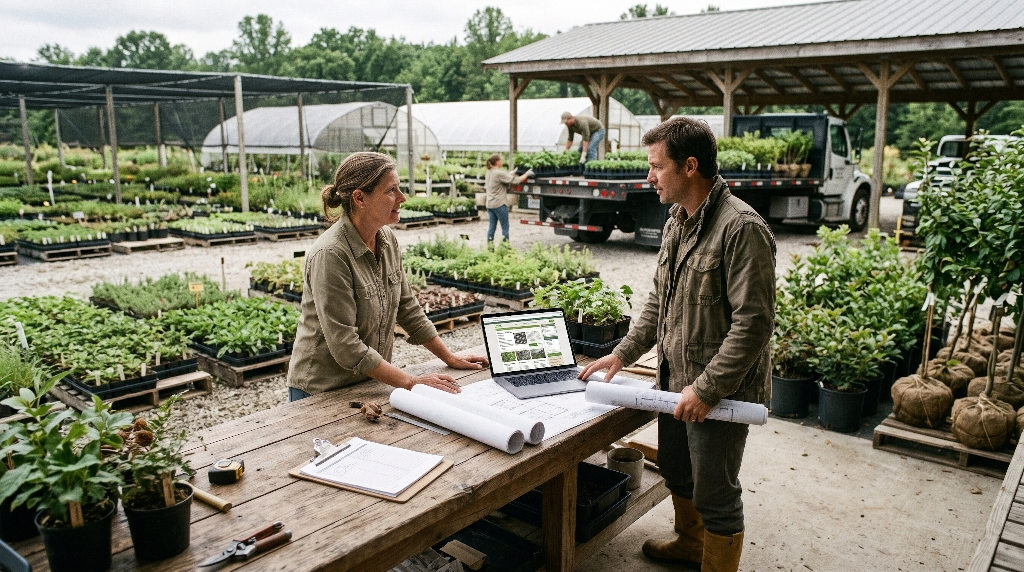
While retail sales provide steady spring cash flow, high margin wholesale accounts provide financial stability throughout the entire year. Commercial landscape architects, civil engineers, municipal park managers, and environmental restoration contractors purchase plants by the thousands. However, these busy professionals do not have time to browse retail websites designed for home gardeners. Elevating your brand means building a dedicated B2B wholesale portal that caters directly to the operational workflow of professional specifiers.
A dedicated professional portal should require a fast business verification login to unlock wholesale tier pricing, volume discounts, and availability projections. Landscape architects need to download specification sheets that include root ball dimensions, container specifications, and botanical guarantees. They also need the ability to build project plant lists, save custom quotes, and submit formal requests for contract growing. Elevating your brand through a professional wholesale portal proves to commercial specifiers that you possess the capacity to fulfill major planting contracts.
+----------------------------------------------------------------------------+
|                      COMMERCIAL SPECIFIER PORTAL                           |
+----------------------------------------------------------------------------+
| Project Title: City Riverfront Wetland Restoration                         |
| Specifier: Green Infrastructure Partners, LLC                              |
+----------------------------------------------------------------------------+
| Specimen                     | Size/Format | Quantity | Wholesale Ext.     |
| *Carex stricta*              | 2" Plugs    | 2,500    | $3,250.00          |
| *Cornus sericea*             | 3-Gallon    | 150      | $3,600.00          |
| *Iris versicolor*            | 1-Quart     | 600      | $2,700.00          |
+----------------------------------------------------------------------------+
| [Download Submittal PDF]  [Request Delivery Schedule]  [Lock Project Quote]|
+----------------------------------------------------------------------------+
Contractors return repeatedly to suppliers who make their jobs easy. If an architect can log into your portal at nine o’clock at night, verify that you have three thousand sedge plugs available for an autumn installation, and generate a formal submittal document in minutes, they will choose your nursery over competitors every time. Elevating your brand with dedicated commercial functionality captures lucrative institutional orders and secures your market leadership.
Project Estimators and Seed Calculators
Estimating the correct plant density or seed weight for a large landscape project can be complicated. Homeowners and contractors frequently struggle to calculate how many live plugs they need to cover a hillside, or how many pounds of native grass seed are required to stabilize a two acre meadow. When your website provides built in, easy to use calculation tools, you remove this barrier to purchasing. Elevating your brand means providing interactive tools that turn complex site math into immediate, confident plant orders.
A native seed calculator allows the user to enter their site dimensions, select their target habitat type, and choose their desired planting density. The algorithm instantly calculates the exact seed mixture weights required, itemizes the species, and provides an immediate total price with a single click button to add the entire mix to their shopping cart. Elevating your brand with functional calculators saves your customers time and prevents expensive planting mistakes.
These interactive utilities also serve as powerful lead magnets. When a municipal engineer or a commercial developer uses your on-page estimator to plan a major roadway restoration project, your website captures valuable project data. You can follow up with tailored guidance, delivery options, and site preparation advice. Elevating your brand through smart interactive estimators establishes your nursery as an indispensable technical partner in large scale green infrastructure.
Provenance and Certification Badges
Commercial and institutional buyers increasingly require rigorous documentation regarding seed provenance, ecological certification, and pesticide safety. Government agencies, land trusts, and conservation organizations are legally or policy bound to plant only locally adapted genotypes free of synthetic chemical residues. If your website buries these critical credentials in obscure text paragraphs, you miss out on high value government and institutional bids. Elevating your brand requires highlighting your certifications and seed collection ethics prominently across your site.
Design clean, professional visual badges that confirm your key credentials. Display badges that certify your stock is one hundred percent neonicotinoid free, sustainably wild collected under permit, and propagated within your regional watershed or EPA Level III ecoregion. When buyers see verified badges for agricultural registrations and ethical seed harvest policies, their confidence surges. Elevating your brand through verified badges eliminates risk for commercial project managers who must justify their vendor choices to boards and clients.
+------------------+-------------------+-------------------+-----------------+
|  NEONIC-FREE     | ECOTYPE VERIFIED  | WATERSHED PROVEN  | PERMIT LICENSED |
| 100% Systemic    | Certified Source  | Adapted to Local  | Ethical Wild    |
| Pesticide Free   | Identified Seed   | Soils & Climate   | Seed Harvest    |
+------------------+-------------------+-------------------+-----------------+
These trust marks also educate home gardeners who visit your website. Homeowners learn why nursery propagated native plants are superior to plants dug from the wild or plants grown with systemic chemicals that harm bees. By visibly displaying your credentials, elevating your brand reinforces your ethical commitment to environmental protection and gives customers a powerful moral reason to support your business.
Sustainable Digital Infrastructure: Practicing What You Preach
Low-Carbon Web Performance
As an ecological business, your commitment to the planet should extend to your digital footprint. The global internet emits massive amounts of greenhouse gases due to the energy consumed by data centers, telecommunications networks, and end user devices. Bloated, inefficient websites loaded with heavy tracking scripts and uncompressed video files waste electricity and contribute to digital pollution. Elevating your brand means adopting sustainable web design principles that minimize your site’s carbon emissions while maximizing its performance.
A low carbon website relies on lightweight code, modern image compression formats like WebP and AVIF, and efficient server caching. By stripping out redundant javascript libraries and bulky page builder plugins, you drastically reduce the data transferred every time a customer loads your catalog. Elevating your brand with a fast, energy efficient platform proves that your nursery lives its environmental values in every aspect of its operations, including its digital infrastructure.
Green hosting is another critical element of sustainable web architecture. Hosting your website on servers powered by verified local renewable energy sources, such as wind or solar power, aligns your digital presence with your ecological mission. Many environmentally conscious consumers look for green hosting badges in website footers. Elevating your brand through clean, low carbon hosting strengthens your authentic positioning as a true ecological champion.
Clean Code and Fast Speeds
Website speed is not just a technical luxury; it directly impacts your sales conversion rates and search engine rankings. Mobile users browsing your plant catalog over rural cellular connections will abandon your website if a page takes more than three seconds to load. Modern search engines penalize slow, clunky websites, pushing them down to the second or third page of search results. Elevating your brand requires clean, hand crafted code that delivers lightning fast page load speeds across all devices.
Page Load Time (Seconds) vs. Mobile Visitor Bounce Rate
---------------------------------------------------------------------------------
1 Second  | [====] 9% Bounce Rate (Optimal Conversion Window)
2 Seconds | [======] 15% Bounce Rate
3 Seconds | [==========] 28% Bounce Rate (Critical Threshold)
5 Seconds | [==============================] 62% Bounce Rate (Severe Revenue Loss)
---------------------------------------------------------------------------------
Clean code means stripping away excessive layers of third party software that drag down browser performance. When a website is built with lightweight, standards compliant code, every page renders smoothly, buttons respond instantly, and images glide effortlessly across the screen. Customers enjoy a frictionless browsing experience that encourages them to spend more time exploring your inventory. Elevating your brand through optimized technical engineering ensures that your website outperforms competing garden center platforms.
Fast load speeds also deliver immense practical value to your wholesale clients in the field. When a landscaping contractor is standing on a job site with a smartphone, trying to verify plant spacing or container specifications in the middle of a workday, a fast loading page is essential. If your site loads instantly, you win their business. Elevating your brand means building high performance digital tools that work reliably under real world conditions.
Privacy-First Analytics
Many commercial websites track their visitors using aggressive third party advertising cookies, intrusive tracking pixels, and heavy analytics suites that monitor user behavior across the web. These tracking scripts slow down page loading times, compromise user privacy, and generate annoying cookie consent banners that block the screen. For a business rooted in conservation ethics, invasive user tracking feels out of place and disrespectful. Elevating your brand means adopting privacy first, cookie free analytics that protect customer data while delivering actionable business insights.
Modern privacy conscious analytics platforms, such as Matomo or lightweight server side tools, gather essential metrics without harvesting personal identity data. You can track total page views, top performing plant species, geographic visitor distribution, and conversion rates without tracking your visitors across the internet. Elevating your brand through ethical, privacy respecting data practices reinforces the trust that is central to your nursery brand.
Removing invasive tracking scripts also cleans up your website layout. Visitors are not greeted by massive legal disclaimers or cookie approval popups that ruin the calm aesthetic of your biophilic design. Instead, they immediately see your beautiful plants and educational content. Elevating your brand through clean, privacy first web engineering proves that you respect your customers as valued human beings rather than data points to be exploited.
Partnering with Silphium Design
The Value of Specialized Expertise
Most generalist web design agencies do not understand the native plant movement. They cannot tell a native perennial from an aggressive exotic weed, and they have no understanding of cold moist seed stratification, bare root shipping schedules, or regional ecotypes. When you hire an ordinary design firm, you spend dozens of hours explaining basic botanical terms, only to end up with a website that looks like a generic suburban lawn care service. Elevating your brand requires collaborating with a digital design partner that speaks your language and understands your plants.
Specialized expertise eliminates frustrating miscommunications and expensive mistakes. A design agency steeped in ecological design knows how to structure Linnaean nomenclature, how to build faceted plant databases, and how to address both retail gardeners and commercial landscape architects. They know which visual details matter to butterfly enthusiasts and how to highlight conservation credentials effectively. Elevating your brand with an expert partner allows you to focus on growing great plants while professionals build your digital engine.
When you work with a team that shares your ecological mission, the creative process becomes inspiring and productive. You collaborate with specialists who appreciate the beauty of a native prairie and the scientific importance of local genetic preservation. Elevating your brand through specialized ecological web design ensures that your nursery gains a distinct, unassailable competitive advantage in the regional marketplace.
+------------------------------------+---------------------------------------+
| Generalist Web Design Agency       | Silphium Design Biophilic Specialist  |
+------------------------------------+---------------------------------------+
| No understanding of botany         | Deep botanical and ecological mastery |
| Uses generic lawn stock photos     | Authentic nature inspired aesthetics  |
| Flattens complex inventory data    | Custom faceted taxonomic databases    |
| Slow, bloated template themes      | Fast, low carbon, clean code          |
| Treats your nursery like a shop    | Positions you as an ecological leader |
+------------------------------------+---------------------------------------+
The Silphium Design Approach
At Silphium Design, we merge deep botanical literacy with world class computer science and biophilic design principles. We believe that organizations working to restore the natural living world deserve digital platforms that reflect that same level of organic excellence. We do not use cheap off the shelf templates or bloated code that slows down your site. Instead, we build custom digital ecosystems engineered specifically for native plant nurseries, conservation non-profits, and ecological land managers. Elevating your brand is our core mission and passion.
Our design process begins with your botanical inventory and your unique regional story. We analyze your plant catalog, study your customer demographics, and design bespoke taxonomic systems that present your specimens with scientific precision and visual beauty. Every color, texture, and layout element is chosen to create an authentic biophilic experience that calms the senses and builds lasting customer trust. When you choose Silphium Design, elevating your brand becomes an organic, rewarding journey that transforms your business.
We also build powerful, reliable backend infrastructure that streamlines your daily operations. From live inventory management and wholesale portal systems to interactive seed calculators and automated lead qualification, our solutions save you administrative time and capture high margin accounts. Partnering with Silphium Design means elevating your brand with a digital home that matches the exceptional quality of the plants you grow.
Direct Lead Magnet: The Website Ecological Audit
If you are tired of competing on price with big box retail stores and want to escape the guy with a truck stereotype once and for all, take the first decisive step today. Your nursery deserves a digital platform that commands premium prices, showcases your deep botanical expertise, and brings in high volume wholesale accounts throughout the season. Elevating your brand begins with an honest, professional look at your current digital strengths and hidden bottlenecks.
Visit Silphium Design today to request your comprehensive Website Ecological Audit. Our team will review your website from top to bottom, evaluating your botanical taxonomy structure, mobile page load performance, biophilic visual aesthetics, and customer conversion pathways. We will provide you with a clear, actionable roadmap detailing exactly how to modernize your catalog, eliminate customer friction, and capture high margin commercial planting contracts.
Do not let an outdated, generic website hold your nursery back from its full potential. The demand for native plants, biodiversity restoration, and ecological landscaping is growing faster than ever before. Position your business at the forefront of this environmental movement. Start elevating your brand today with Silphium Design, and watch your nursery thrive as a respected, profitable regional leader.