
As an expert in biology and web design, I see the world through a lens of systems. Nature and code are not so different. Both rely on patterns to thrive. Today, in 2026, the tech industry is at a crossroads. We have spent years building tools that pull people away from the physical world. Now, we must use those same tools to heal it. This is why a nature-positive digital identity is the most important shift for any tech firm this year.
A nature-positive identity is more than a green logo. It is a way of building your online presence that actually gives back to the earth. For a long time, companies focused only on being “carbon neutral.” That was about doing less bad. But “nature-positive” is about doing more good. It means your digital identity helps plants grow and animals thrive. It means your website is designed to help the human brain rest. This approach uses biophilic design to bridge the gap between our screens and the soil.
Table of Contents
The Biological Imperative of the Digital Age
The human brain did not evolve to stare at flat, blue-light boxes for ten hours a day. We evolved in forests and near water. When we spend too much time in digital spaces that feel cold and robotic, our stress goes up. We call this techno-stress. It makes people tired and less creative. As a biophilic design expert, I know that your digital identity can solve this. By using shapes and patterns found in nature, we can make the internet a place of healing.
A nature-positive identity for tech firms is a technical requirement now. It is also a biological one. In 2026, people want to work with brands that feel alive. They want a digital identity that mirrors the complexity and beauty of a forest. When a tech firm builds this kind of digital identity, they are not just following a trend. They are respecting the way our nervous systems work. This is the new standard for excellence in the digital age.
Defining the Concept: What is a Nature-Positive Digital Identity for Tech Firms?
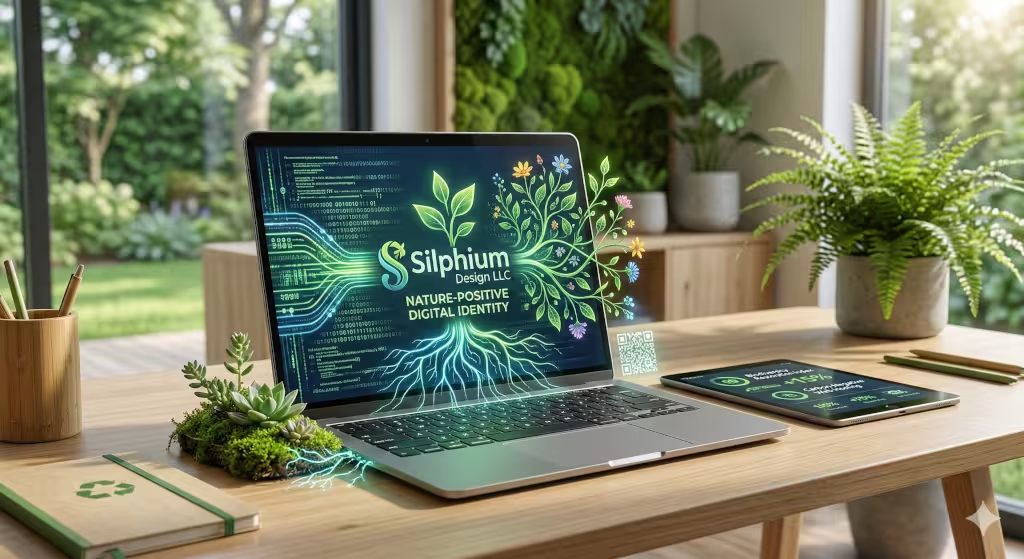
To understand this, we must look at what a digital identity is. Your digital identity is the sum of everything you do online. it is your website, your social media, and your data footprint. A natural identity means that every time someone interacts with your brand, the planet gets a little bit healthier. This could happen through the energy your servers use. It could also happen through the design of your user interface.
For a tech firm, this identity acts as a bridge. It connects the high-tech world of software with the high-touch world of ecology. It is about transparency. Your digital identity should show exactly how much water your data centers use. It should show which forests you are helping to replant. In 2026, a digital identity is not just a mask. It is a living record of your impact on the natural world.
The Silphium Perspective: Mitigating Techno-Stress
Our work focuses on how biophilic design can help the human mind. We use something called “restorative patterns.” These are visual elements that help the brain recover from fatigue. When your digital identity uses these patterns, users feel better. They stay on your site longer. They trust your brand more. This is because your digital identity is speaking the language of nature.
Techno-stress is a real problem for tech workers and customers alike. A nature-affirming identity addresses this by bringing “soft fascination” to the screen. Soft fascination is what you feel when you look at a sunset or a moving river. It captures your attention without tiring you out. By building this into your digital identity, you create a space where people want to spend time. This is the secret to high engagement in 2026.
The Three Pillars of a Nature-Positive Digital Identity
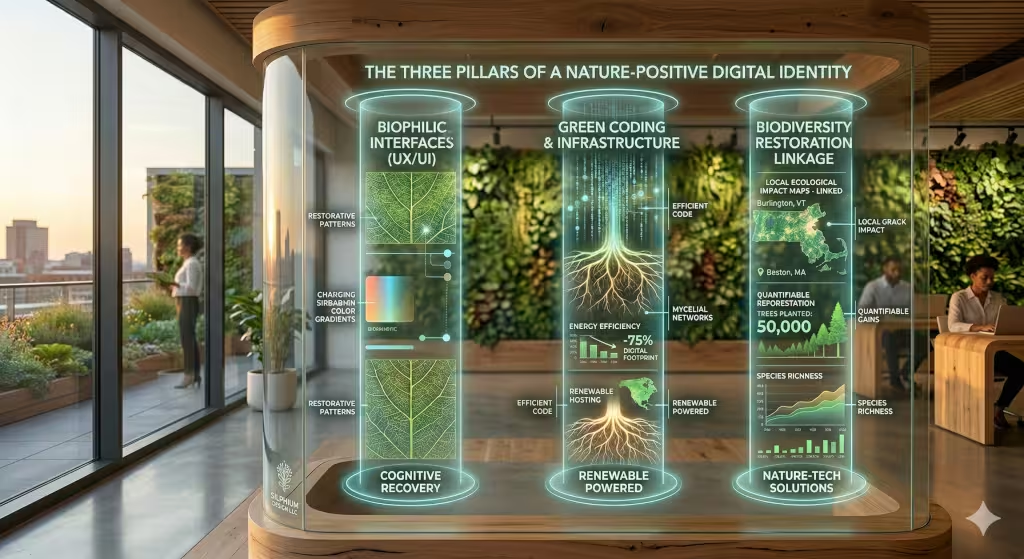
There are three main parts to a nature-positive digital identity. Each one is vital for a tech firm that wants to lead. The first pillar is biophilic design in the user interface. The second is the ecological infrastructure. The third is a real-world link to biodiversity. Together, these form a complete digital identity that supports life.
The first pillar uses shapes like fractals. Fractals are patterns that repeat at different scales. You see them in trees and clouds. When these are a part of your identity, the brain recognizes them instantly. It feels “right.” The second pillar involves using green energy to power your digital identity. The third pillar is about proof. Your digital identity must prove that you are helping nature. This creates a circle of trust between the tech firm and the world.
Biophilic Interface Design (UX/UI)
At Silphium Design LLC we also focus on biomorphic patterns. These are shapes that look like living things. Instead of sharp squares, we use curves. We use layouts that feel like they are growing. This makes your digital identity feel organic. In 2026, the best digital identity for a tech firm is one that feels less like a machine and more like a garden.
Color is also a big part of this digital identity. We use earth-toned palettes. These are colors like deep greens, warm browns, and soft blues. These colors reduce eye strain. They also connect your digital identity to the earth. We also look at “circadian-responsive” design. This means your website changes its light based on the time of day. This helps users maintain their natural sleep patterns. It is a key part of a healthy digital identity.
Ecological Infrastructure: The Backbone of Digital Identity
A tech that is interested in preserving the environment cannot live on dirty energy. Tech firms in 2026 must use green hosting. This means your servers are powered by wind, sun, or water. When you do this, your digital identity stops being a burden on the climate. It becomes part of the solution. This is a technical choice that has a huge impact on your brand’s digital identity.
We also use “green coding.” This is the practice of writing clean, light code. Heavy websites use more energy. They load slowly. A nature-positive digital identity is fast and efficient. By reducing the size of images and scripts, we make the digital identity better for the planet and the user. This is a win-win. It improves your search engine rankings and lowers your carbon footprint at the same time.
Real-World Biodiversity Linkage
The final piece is showing your work. A nature-positive identity must be linked to real data. Tech firms can use APIs to show how many trees they have planted. They can show real-time maps of protected land. This makes your digital identity feel real and grounded. It is not just marketing; it is a measurable benefit.
In 2026, we see “Nature-as-a-Stakeholder” models. This means the company treats the earth like a member of the board. This philosophy should be made clear in promotions. When a user clicks a button, they should know it helps a real ecosystem. This builds deep loyalty. A digital identity that saves the world is a digital identity people will fight for.
How Biophilic Design Improves Tech Firm SEO
Many people ask if biophilic design helps with search engine rankings. The answer is yes. Google and other search engines now look at “dwell time.” This is how long a person stays on your site. Because biophilic design makes people feel calm, they stay longer. This tells the search engine that your digital identity is valuable.
Another factor is “Core Web Vitals.” These are technical metrics for speed and stability. A nature-positive digital identity is built with green coding, which makes sites very fast. Fast sites rank higher. So, by being nature-positive, you are also being search-engine-positive. Your digital identity becomes easier for people to find. This is a powerful advantage for any tech firm.
What is the Difference Between Carbon-Neutral and Nature-Positive?
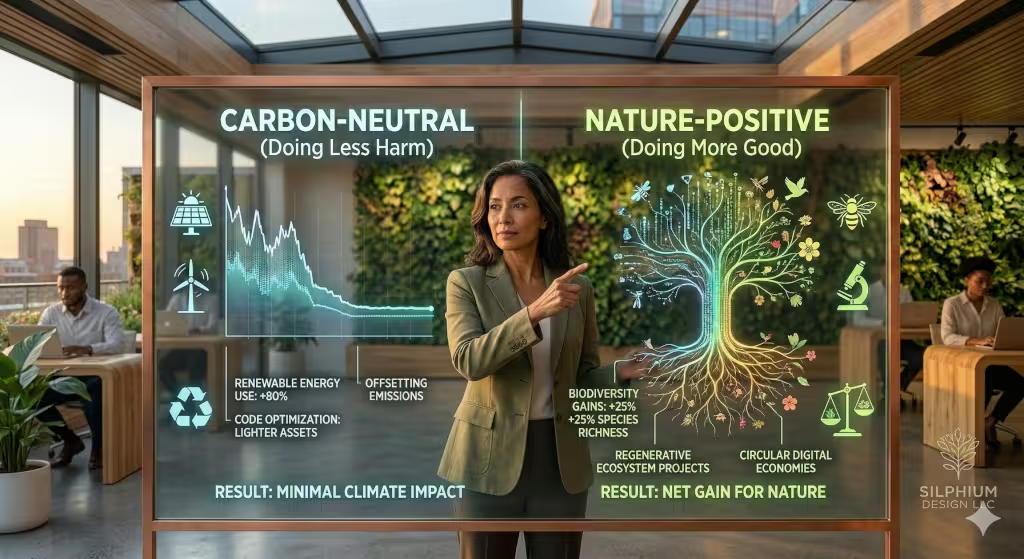
It is common to get these two confused. Carbon-neutral means you are trying to reach “zero” impact. You might plant trees to balance out the pollution you make. Nature-positive is different. It means your total impact is “plus.” You are creating more life than you are using. This shift is vital for a modern digital identity.
For a tech firm, this means looking at things like water use in data centers. It means looking at the minerals in your hardware. A tech firm that is committed to the environment admits these impacts and works to fix them. It aims for a net gain in biodiversity. In 2026, being “less bad” is not enough for a strong digital identity. You must be “actively good.”
Can a Website Actually Help Restore Nature?
Yes, it can. We now have “Circular Digital Economies.” This is where the profit from a website goes directly to nature. Some tech firms link their digital identity to “Nature Tech” startups. These are companies that use drones and AI to plant seeds. Every visitor to your site could trigger a micro-payment to a reforestation project.
Your digital identity can also be a tool for education. By sharing data about nature, you help others care about it. A nature-positive digital identity acts as a hub for change. It turns every user into a helper for the planet. This is the ultimate goal of a nature-positive digital identity for tech firms.
Technical Implementation: From Pixels to Plants
To build this identity, we must change how we code. We move away from rigid grids. We use CSS tools that allow for organic fluidity. This means the website moves and flows like water. It creates a sense of life within the digital identity. This is a technical challenge that requires an expert eye.
We also look at “biomimicry.” This is the practice of copying nature’s designs. For example, a navigation menu could be structured like the branches of a tree. A data chart could look like the veins in a leaf. These shapes are not just pretty. They are efficient. Using them in your digital identity makes the information easier for the human brain to process.
Multi-Sensory Digital Biophilia
A great digital identity is not just for the eyes. In 2026, we use haptic feedback. This is a small vibration on your phone. It can feel like the texture of a stone or the pulse of a plant. We also use subtle sounds. Think of the sound of wind in the leaves or a quiet stream. These sounds can be turned on by the user to help them focus.
This multi-sensory approach makes your digital identity stand out. It creates a deeper connection. When a tech firm uses these tools, their identity becomes an experience. It is a place people visit to feel refreshed. This is how you build a digital identity that people remember.
Biomimicry in Data Visualization
Tech firms have a lot of data. Often, this data is hard to read. To make it easier a tech firm can use natural patterns to show this data. Instead of boring bar charts, we use growth patterns. We use the “Fibonacci sequence” to space out elements. This sequence is found everywhere in nature, from seashells to galaxies.
When data is shown this way, it feels more natural. It is easier to see trends and patterns. This is a key part of a professional digital identity. It shows that the tech firm is smart and innovative. It uses the best of science and nature to communicate. This is the mark of a truly nature-positive digital identity.
Strategic Value: The “Trust Equity” of Nature-Positive Branding
Trust is the most important thing for a tech firm. A nature-positive identity builds trust fast. It shows that you care about more than just money. It shows you care about the future of our children. This “Trust Equity” is a major asset for your digital identity. In a world full of fake news and AI fluff, nature is the ultimate truth.
Search engines like Google now value “E-E-A-T.” This stands for Experience, Expertise, Authoritativeness, and Trust. A nature-positive digital identity signals all of these things. It shows you are an expert in your field and a leader in ethics. This helps your digital identity rank higher and reach more people. It is a smart business move.
The 2026 Consumer: Regenerative Tech Priorities
The people buying tech today are different than they were ten years ago. Gen Z and Gen Alpha want to see action. They do not want more talk. They want a digital identity that is actively regenerative. They will choose a tech firm that supports a forest over one that just has a shiny app.
This is why a nature-positive digital identity is a competitive necessity. If you do not have one, you will lose these younger users. They see the digital identity as a reflection of the company’s soul. If your digital identity feels cold and dead, they will leave. If it feels alive and helpful, they will stay. This is the future of marketing for tech firms.
Designing the Future Flora of the Web
We are building a new kind of internet. It is an internet that acts like a forest. It is a place of growth, health, and connection. Your digital identity is a seed in this forest. By making it nature-positive, you are helping the whole forest thrive. This is a beautiful way to think about tech.
As a designer, I am excited about this. We are no longer just making “pages.” We are making digital ecosystems. Your digital identity is the primary way people enter your world. Make it a world they want to live in. Make it a nature-positive digital identity.
A Legacy for the Tech Industry
The tech industry has the power to change the world. For too long, we have used that power for screens. Now, we must use it for soil. A nature-positive identity for tech firms is the start of this change. It is an investment in the planet. It is an investment in the people who use your tools. And it is an investment in the future of your company.
By following these biophilic principles, you create a digital identity that lasts. You create a brand that people love. You create a presence that heals. This is the ultimate goal of Silphium Design LLC. We want to help you build a digital identity that is as beautiful and complex as nature itself.