
Table of Contents
Representing Climage Change
The Medium Is the Climate
Digital media is no longer just a mirror reflecting the physical world. It is an active ecosystem that shapes how millions of people think, feel, and make decisions every day. When we publish an article, share a graphic, or build an interactive dashboard about climate change, we are not simply passing along raw facts. We are creating an experience that directly influences public understanding of our biosphere.
In digital design and online communication, every layout choice carries weight. The colors on a screen, the structure of a user interface, the speed of page loading, and the algorithms that rank content all direct human attention. When digital media handles climate change carelessly, it causes real harm. It can create confusion, spread despair, or make dangerous environmental problems look like minor issues.
To represent climate change ethically, digital creators must look beyond basic text reporting. We need to examine how digital systems, software platforms, and user interfaces alter human perception. The medium itself is part of the environmental story. An ethical approach requires us to understand how web architecture, data visualization, and content distribution either help or hinder global awareness of climate change.
       ┌─────────────────────────────────────────────────────────────┐
       │             THE DUAL MANDATE OF DIGITAL MEDIA               │
       └──────────────────────────────┬──────────────────────────────┘
                                      │
              ┌───────────────────────┴───────────────────────┐
              ▼                                               ▼
   ┌─────────────────────┐                         ┌─────────────────────┐
   │ INFORMATIONAL RIGOR │                         │ COMPUTATIONAL ETHICS│
   ├─────────────────────┤                         ├─────────────────────┤
   │ • Accurate Science  │                         │ • Low Data Weight   │
   │ • Visual Integrity  │                         │ • Clean Hosting     │
   │ • Nuanced Justice   │                         │ • Minimal Energy    │
   └─────────────────────┘                         └─────────────────────┘
The Double Burden of Digital Media
Digital communicators face a unique challenge that traditional print publishers never had to solve. We call this the double burden of digital media.
On one hand, digital media must convey the severe reality and urgency of climate change. The public needs clear, verified information about rising temperatures, shifting weather patterns, and ecological loss. Digital media has the speed and reach to spread this knowledge across the globe in seconds.
On the other hand, the global digital network requires massive amounts of electricity. Data centers, network cables, cellular towers, and user devices burn fossil fuels every second they run. Every oversized image, auto-playing video, and unnecessary tracking script adds to real-world carbon emissions. Therefore, digital media often contributes to climate change while trying to warn people about climate change.
An ethical digital platform cannot ignore this contradiction. Communicating about climate change while using bloated, energy-heavy web design damages editorial credibility. Digital creators, web developers, and journalists must take responsibility for both the message they share and the energy required to deliver that message to a screen.
Core Thesis for Ethical Communication
Ethical communication about climate change requires a unified framework built on four core pillars: scientific accuracy, non-exploitative visual framing, inclusive human stories, and low-impact digital technology.
                   ┌──────────────────────────────────────┐
                   │     FOUR PILLARS OF ETHICAL MEDIA    │
                   └──────────────────┬───────────────────┘
                                      │
         ┌───────────────┬────────────┴───┬────────────────┐
         ▼               ▼                ▼                ▼
   ┌───────────┐   ┌───────────┐    ┌───────────┐    ┌───────────┐
   │Scientific │   │ Biophilic │    │Inclusive  │    │Sustainable│
   │ Accuracy  │   │  Visuals  │    │  Justice  │    │  Digital  │
   │ (Pillar 1)│   │ (Pillar 2)│    │ (Pillar 3)│    │ (Pillar 4)│
   └───────────┘   └───────────┘    └───────────┘    └───────────┘
When digital platforms bring these four pillars together, they produce communication that informs the public without spreading panic. They respect the communities most affected by environmental changes, and they minimize the physical energy footprint of their websites. The following guidelines provide a clear path forward for journalists, content strategists, graphic artists, and web developers who want to represent climate change with technical precision and moral responsibility.
Scientific Integrity and Evidence Architecture
Eliminating False Balance and Symmetrical Bias
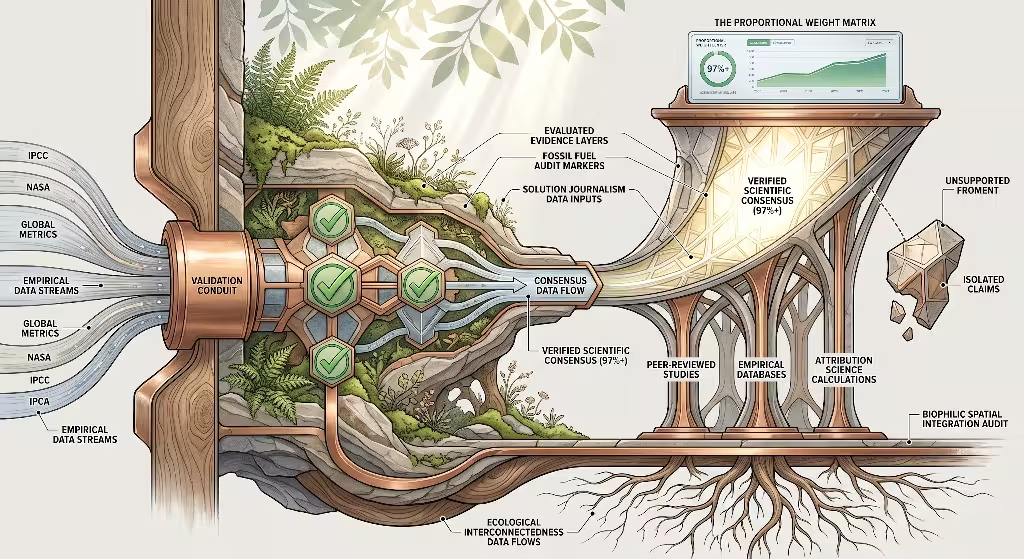
For decades, traditional newsrooms followed a simple rule: always give equal time to both sides of any debate. While that rule works well for political opinions or local tax debates, it fails completely when applied to established physical science. In reporting on climate change, giving equal weight to scientific consensus and fringe skepticism is known as false balance.
False balance gives the public a distorted view of reality. When a digital article places a climate scientist next to a paid lobbyist who denies basic physics, it tricks the reader into thinking the scientific community is split down the middle. In reality, the global scientific consensus on human-driven climate change is overwhelming. Over ninety-seven percent of actively publishing climate scientists agree that human activities are the primary driver of current warming trends.
   UNETHICAL "FALSE BALANCE"              ETHICAL PROPORTIONAL WEIGHT
 ┌───────────────────────────┐           ┌───────────────────────────┐
 │ Peer-Reviewed Consensus   │           │ Peer-Reviewed Consensus   │
 │ [ 50% Visual Space ]      │           │ [ 97%+ Proportional Space]│
 ├───────────────────────────┤           ├───────────────────────────┤
 │ Unverified Skepticism     │           │ Factual Context Only      │
 │ [ 50% Visual Space ]      │           │ [ Minimal / Audited ]     │
 └───────────────────────────┘           └───────────────────────────┘
Digital media must adopt a standard of proportional weight:
- Represent scientific findings according to the volume and quality of peer-reviewed evidence.
- Do not give platform space or unearned credibility to claims that contradict basic empirical laws.
- Clearly label fossil fuel industry claims as self-interested statements rather than independent research.
- Use verified datasets from recognized scientific bodies, such as the Intergovernmental Panel on Climate Change (IPCC), NASA, and the Copernicus Climate Change Service.
To make scientific data understandable to the average reader, digital designers should build interactive charts with clear units, labeled baselines, and transparent sourcing. Static graphics often hide context, but well-designed digital interfaces allow readers to explore raw numbers directly. Providing clear links to primary scientific literature builds trust and protects digital media from spreading false claims about climate change.
Contextualizing Attribution Science
One of the hardest tasks in modern environmental journalism is explaining extreme weather. When a severe heatwave, flood, or hurricane strikes, readers naturally ask whether the disaster was caused by climate change.
In the past, scientists were cautious about linking any single weather event to global warming. Today, extreme event attribution has advanced rapidly. Scientists use supercomputer simulations and statistical models to calculate exactly how much more likely or severe an event became due to climate change.
                ┌─────────────────────────────────────────┐
                │        EVENT ATTRIBUTION WORKFLOW       │
                └────────────────────┬────────────────────┘
                                     │
           ┌─────────────────────────┴─────────────────────────┐
           ▼                                                   ▼
┌─────────────────────────────┐                     ┌─────────────────────┐
│    OBSERVED REAL WORLD      │                     │ COUNTERFACTUAL MODEL│
│ High Greenhouse Gas Levels  │                     │ Pre-Industrial Data │
└──────────────┬──────────────┘                     └──────────┬──────────┘
               │                                               │
               └───────────────────────┬───────────────────────┘
                                       │
                                       ▼
                    ┌─────────────────────────────────────┐
                    │ SCIENTIFIC PROBABILITY RATIO        │
                    │ "5x More Likely Due to Global Trend"│
                    └─────────────────────────────────────┘
Digital media has an ethical obligation to explain attribution science accurately:
- Distinguish weather from climate: Weather describes short-term atmospheric conditions over hours or days, whereas climate describes long-term statistical trends over decades.
- Avoid single-cause oversimplifications: An ethical article never claims that climate change caused an entire storm on its own. Instead, it explains how warming oceans and higher atmospheric moisture supercharged the storm.
- Cite rapid attribution studies carefully: When sharing data from research groups like World Weather Attribution, explain the probability ratios clearly. State that global warming made the event two times more likely, or increased the rainfall by fifteen percent, rather than using vague words like “unprecedented.”
- Provide historical baseline context: Always show historical local records alongside current disaster reporting. Showing readers fifty years of local temperature records helps them see the long-term trend of climate change in their own region.
By treating attribution as a matter of calculated probabilities rather than simple yes-or-no answers, digital publishers help audiences understand how global climate change alters everyday local weather.
Combating Greenwashing and Narrative Exploitation
             ┌───────────────────────────────────────────────┐
             │       GREENWASHING SCREENING PROTOCOL         │
             └───────────────────────┬───────────────────────┘
                                     │
         ┌───────────────────────────┼───────────────────────────┐
         ▼                           ▼                           ▼
  ┌──────────────┐            ┌──────────────┐            ┌──────────────┐
  │  Emissions   │            │   Offset     │            │  Structural  │
  │ Scope Check  │            │ Realism Test │            │ Firewalling  │
  ├──────────────┤            ├──────────────┤            ├──────────────┤
  │ Scope 1, 2,  │            │ Permanence,  │            │ Clear labels │
  │ and Scope 3  │            │ additionality│            │ for all paid │
  │ verified     │            │ audits       │            │ sponsorships │
  └──────────────┘            └──────────────┘            └──────────────┘
Auditing Corporate Environmental Claims in Digital Spaces
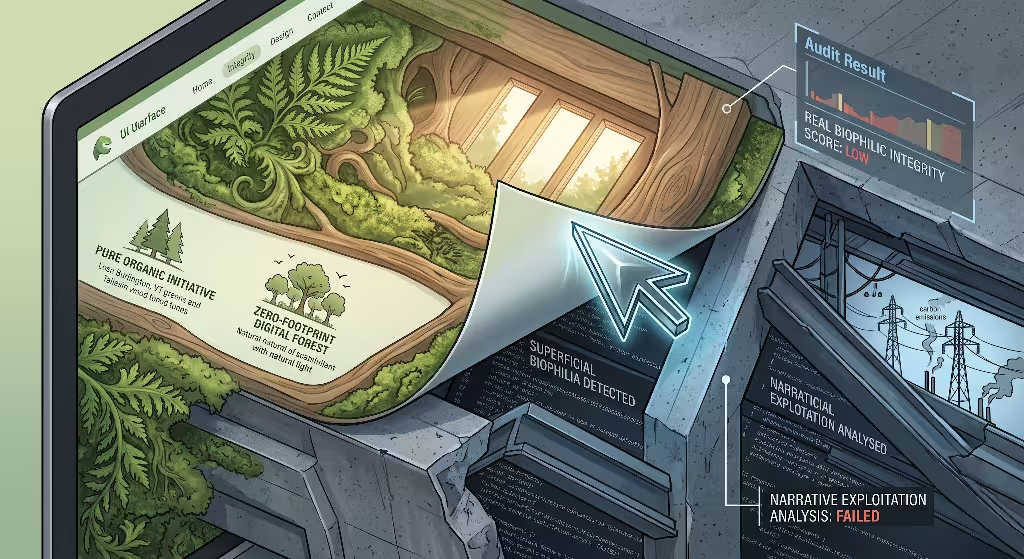
As public concern over global warming grows, corporations spend billions of dollars on digital marketing to appear environmentally friendly. Many of these campaigns engage in greenwashing: using misleading language, selective data, or pretty nature imagery to hide business practices that worsen climate change.
Digital publishers, media platforms, and independent web designers have a direct responsibility to audit corporate claims before publishing them:
- Verify full emissions data: When a corporation announces a net-zero target, look at their reporting for Scope 1 direct emissions, Scope 2 electricity emissions, and Scope 3 supply chain and customer use emissions. A tech company claiming net-zero operations while building custom software to help fossil fuel companies extract oil is misrepresenting its real impact on climate change.
- Scrutinize carbon offset projects: Many digital ads promote tree-planting initiatives as an easy fix for industrial pollution. Ethical coverage requires explaining that newly planted saplings take decades to store carbon, while industrial carbon emissions remain in the atmosphere for centuries. Offsets cannot replace immediate, absolute emissions reductions.
- Maintain strict editorial firewalls: Sponsored content, native advertising, and paid corporate partnerships must be clearly separated from objective journalism. If an energy company pays for a custom digital section, that section must carry obvious labels so readers do not confuse public relations with independent reporting on climate change.
Publishing unexamined corporate press releases as news erodes public trust. When digital platforms apply rigorous investigative standards to corporate marketing, they prevent bad actors from hiding their contributions to climate change behind polished web campaigns.
┌──────────────────────────┬────────────────────────────────────────────────────────┐
│ Corporate Term           │ Ethical Reality Check                                  │
├──────────────────────────┼────────────────────────────────────────────────────────┤
│ "Carbon Neutral"         │ Often relies on cheap, unverified carbon credits       │
│                          │ without cutting actual fossil fuel usage.              │
├──────────────────────────┼────────────────────────────────────────────────────────┤
│ "Nature-Based Solutions" │ Can be genuine, but is often used to justify ongoing   │
│                          │ industrial destruction of old-growth forests.          │
├──────────────────────────┼────────────────────────────────────────────────────────┤
│ "Transition Fuels"       │ Natural gas is methane, a powerful greenhouse gas that │
│                          │ accelerates climate change when leaked.                │
└──────────────────────────┴────────────────────────────────────────────────────────┘
Mitigating Clickbait and Algorithmic Sensationalism
Modern web platforms rely heavily on algorithmic recommendation engines. These algorithms are built to maximize user engagement, page views, and time spent on page. Unfortunately, algorithms quickly learn that extreme fear, anger, and panic generate the most clicks and social shares.
This dynamic creates a harmful incentive for digital writers to produce sensational headlines about climate change. Headlines predicting total human extinction or immediate civilizational collapse generate instant traffic, but they distort real scientific findings.
       ┌─────────────────────────────────────────────────────────────┐
       │             THE TOXIC ALGORITHMIC FEEDBACK LOOP             │
       └──────────────────────────────┬──────────────────────────────┘
                                      │
                                      ▼
                      ┌───────────────────────────────┐
                      │ Sensational "Doomsday" Title  │
                      └──────────────┬────────────────┘
                                     │
                                     ▼
                      ┌───────────────────────────────┐
                      │ High Emotional Clicks/Shares  │
                      └──────────────┬────────────────┘
                                     │
                                     ▼
                      ┌───────────────────────────────┐
                      │ Algorithm Boosts Panic Content│
                      └──────────────┬────────────────┘
                                     │
                                     ▼
                      ┌───────────────────────────────┐
                      │ Reader Cynicism & Inaction    │
                      └───────────────────────────────┘
Sensational doomism causes serious psychological and civic problems:
- Learned helplessness: When readers are told that catastrophic collapse is unavoidable, they conclude that personal actions and public policies are pointless. This paralyzes collective efforts to address climate change.
- Erosion of scientific authority: When apocalyptic predictions fail to happen on specific timelines, skeptics use those exaggerated headlines to discredit legitimate research on climate change.
- Loss of nuance: Complex policy discussions about grid modernization, land management, and carbon pricing are pushed aside in favor of easy, frightening stories.
Ethical headline writing means resisting the urge to exploit fear for ad revenue. Headlines should be accurate, proportional, and grounded in observable reality. Digital media must balance the honest danger of climate change with clear explanations of what can still be protected, preserved, and restored.
Visual Ethics and Biophilic Framing in Digital Media
                  ┌────────────────────────────────────────┐
                  │    VISUAL FRAMING EVOLUTION MATRIX     │
                  └───────────────────┬────────────────────┘
                                      │
         ┌────────────────────────────┴────────────────────────────┐
         ▼                                                         ▼
  ┌───────────────────────────────┐        ┌───────────────────────────────┐
  │ OLD DISCONNECTED CLICHES      │        │ MODERN BIOPHILIC STORYTELLING │
  ├───────────────────────────────┤        ├───────────────────────────────┤
  │ • Lonely Polar Bear on Ice    │        │ • Urban Heat Island Workers   │
  │ • Distant Melting Glacier     │        │ • Community Solar Projects    │
  │ • Abstract Stock Smoke Stacks │        │ • Local Wetland Restoration   │
  └───────────────────────────────┘        └───────────────────────────────┘
De-clichéing Climate Imagery
For over thirty years, the visual language of climate change has relied on the same tired pictures: a solitary polar bear balancing on a tiny ice floe, a cracked desert landscape under a harsh sun, or industrial smokestacks billowing steam.
Research conducted by organizations like Climate Visuals shows that these stock images have lost their emotional power. When people see a polar bear on melting ice, they perceive climate change as an issue that is geographically distant, abstract, and unconnected to their own daily lives.
To communicate ethically, digital platforms must modernize their image libraries:
- Center real people in specific places: Show how local residents, outdoor workers, farmers, and city dwellers are directly experiencing climate change in their communities.
- Show concrete causes and human scale: Instead of photographing generic clouds coming out of cooling towers, photograph concrete sources of emissions, like heavy highway traffic, diesel cargo ports, and expanding gas infrastructure.
- Illustrate tangible solutions: Show real people installing solar arrays, retrofitting old apartment buildings, tending community gardens, and operating electric transit systems.
Replacing generic clichés with authentic photography makes the reality of climate change immediate, personal, and understandable.
Biophilic Visual Systems vs Catastrophic Paralysis
Biophilic design is the practice of connecting human beings to natural systems within built and digital environments. In web design, biophilic principles involve using natural spatial patterns, organic textures, balanced colors, and visible biological processes.
       ┌─────────────────────────────────────────────────────────────┐
       │             BIOPHILIC WEB INTERFACE ARCHITECTURE            │
       └──────────────────────────────┬──────────────────────────────┘
                                      │
              ┌───────────────────────┴───────────────────────┐
              ▼                                               ▼
   ┌─────────────────────┐                         ┌─────────────────────┐
   │ NATURAL GEOMETRY    │                         │ BALANCED COLOR      │
   ├─────────────────────┤                         ├─────────────────────┤
   │ Fibonacci Ratios    │                         │ Earth Tones & Greens│
   │ Fractal Branching   │                         │ Low Contrast Strain │
   │ Organic Spacing     │                         │ Reduced Eye Fatigue │
   └─────────────────────┘                         └─────────────────────┘
When designing digital interfaces for articles about climate change, biophilic design offers an important alternative to fear-inducing visual layouts. Traditional websites often pair environmental stories with alarming, high-contrast red-and-black banners that trigger anxiety and cause readers to close the tab.
A biophilic approach creates a supportive digital space:
- Use organic geometries and fractals: Organize information using natural visual hierarchies, such as the branching patterns found in leaves or river networks, to make dense scientific data easier to process.
- Employ natural color palettes: Earth tones, deep forest greens, warm ochres, and sky blues help ground the reader, reducing visual fatigue and keeping them engaged with complex reports on climate change.
- Highlight ecological interconnectedness: Use diagrams that illustrate how soil, water, atmospheric systems, and human cities interact, reminding readers that humans remain an active part of living ecosystems.
By creating digital spaces that feel connected to the living world, biophilic design helps users absorb serious information about climate change without feeling emotionally overwhelmed.
Representation, Extraction, and Environmental Justice
Climate change does not affect all populations equally. Developing nations, low-income neighborhoods, and Indigenous communities often suffer first and worst from heatwaves, rising seas, and industrial pollution, despite having contributed the least to global emissions.
                       ┌───────────────────────────────┐
                       │  ENVIRONMENTAL JUSTICE AUDIT  │
                       └───────────────┬───────────────┘
                                       │
         ┌─────────────────────────────┼─────────────────────────────┐
         ▼                             ▼                             ▼
  ┌──────────────┐              ┌──────────────┐              ┌──────────────┐
  │ Agency Over  │              │ Free, Prior, │              │ Transparent  │
  │ Victimhood   │              │ Informed     │              │ Attribution  │
  │ (Show Action)│              │ Consent      │              │ & Fair Pay   │
  └──────────────┘              └──────────────┘              └──────────────┘
Digital media has a poor history of extractive storytelling in vulnerable communities. Photojournalists often travel to flood-hit or drought-stricken regions, photograph local residents in states of distress, and leave without sharing resources or context. This practice turns human suffering into disaster voyeurism.
An ethical digital framework requires clear standards for environmental justice:
- Obtain informed consent: Photographers and writers must ensure subjects understand where their photos and stories will be published online.
- Highlight agency and leadership: Avoid portraying vulnerable groups merely as helpless victims. Show how Indigenous land defenders and frontline community leaders are organizing to build resilience against climate change.
- Credit and compensate local creators: Whenever possible, commission local photographers, writers, and artists who belong to the communities being covered, rather than flying in outside staff.
- Provide deep systemic context: Explain the economic and historical policies, such as redlining or colonial resource extraction, that make specific neighborhoods more vulnerable to climate change today.
Ethical digital media treats frontline communities as expert partners with deep knowledge of ecological stewardship, rather than passive subjects for shocking photography.
Solutions Journalism and Behavioral Psychology

                    ┌──────────────────────────────────────┐
                    │      SOLUTIONS JOURNALISM PILLARS    │
                    └──────────────────┬───────────────────┘
                                       │
         ┌──────────────────┬──────────┴─────────┬──────────────────┐
         ▼                  ▼                    ▼                  ▼
   ┌───────────┐      ┌───────────┐        ┌───────────┐      ┌───────────┐
   │ Problem & │      │ Actionable│        │ Hard Data │      │ Realistic │
   │ Mechanism │      │ Response  │        │ Evidence  │      │ Caveats   │
   └───────────┘      └───────────┘        └───────────┘      └───────────┘
Action-Oriented Narrative Systems
Psychological research shows that constant exposure to negative news without actionable solutions leads to emotional burnout. When readers encounter story after story detailing environmental destruction without any path forward, they stop paying attention to climate change altogether.
Action-oriented narrative systems structure stories to engage human problem-solving abilities:
- Clarify systemic leverage points: Show readers where policy changes, business decisions, and community organizing can achieve the greatest emissions cuts.
- Break problems down to manageable scales: Instead of asking readers to solve global heating all at once, focus on specific challenges, such as electrifying school buses or restoring local wetlands.
- Highlight collective action over pure consumerism: Moving beyond individual consumer choices (like buying metal straws), show how people work together in neighborhood groups, labor unions, and city councils to demand meaningful responses to climate change.
┌─────────────────────────────────┬──────────────────────────────────┐
│ Unethical Despair Frame         │ Ethical Solutions Frame          │
├─────────────────────────────────┼──────────────────────────────────┤
│ "Cities face unavoidable ruin   │ "How three coastal cities are    │
│ from rising sea levels."        │ redesigning wetlands to absorb   │
│                                 │ rising floodwaters."             │
├─────────────────────────────────┼──────────────────────────────────┤
│ "The energy grid is completely  │ "Battery storage installations   │
│ unprepared for heatwaves."      │ jump 40% as utilities adapt to   │
│                                 │ summer peak demand."             │
└─────────────────────────────────┴──────────────────────────────────┘
Integrating Solutions Journalism Network Methodologies
The Solutions Journalism Network (SJN) provides a rigorous, evidence-based model for reporting on social and environmental problems. Solutions journalism is not cheerleading, public relations, or fluff reporting. It is an objective investigation into how people and institutions are responding to critical challenges.
       ┌─────────────────────────────────────────────────────────────┐
       │                SOLUTIONS REPORTING PROCESS                  │
       └──────────────────────────────┬──────────────────────────────┘
                                      │
                                      ▼
                      ┌───────────────────────────────┐
                      │ Identify a Proven Response    │
                      └──────────────┬────────────────┘
                                      │
                                      ▼
                      ┌───────────────────────────────┐
                      │ Investigate How It Works      │
                      └──────────────┬────────────────┘
                                      │
                                      ▼
                      ┌───────────────────────────────┐
                      │ Audit Real Performance Data   │
                      └──────────────┬────────────────┘
                                      │
                                      ▼
                      ┌───────────────────────────────┐
                      │ Detail Limitations & Failures │
                      └───────────────────────────────┘
To integrate this methodology into coverage of climate change, digital writers should apply four specific criteria:
- Focus on the response: The core of the article must explore a specific response to an ecological problem and explain how that response works in practice.
- Examine the evidence: Present concrete data showing whether the initiative is succeeding or failing. If a city claims its urban forestry program lowered summer temperatures, review the satellite heat data to confirm the claim.
- Discuss limitations honestly: No single solution fixes climate change completely. An ethical article points out the costs, political obstacles, technical limits, and trade-offs of the project.
- Share transferable insights: Explain what other towns, cities, or businesses can learn from this model so readers can apply those lessons in their own regions.
Using these four criteria ensures that reporting on climate change remains honest, critical, and constructive.
Countering Pluralistic Ignorance
Social scientists frequently document a phenomenon called pluralistic ignorance: a situation where a large majority of individuals privately care about an issue, but incorrectly assume that their neighbors and peers do not care.
Surveys conducted by the Yale Program on Climate Change Communication show that while a solid majority of citizens are worried about climate change and support clean energy laws, most people believe they are in the minority. This false impression causes people to remain silent, creating a spiral of inaction.
                       REALITY VS. PERCEPTION GAP
 ┌─────────────────────────────────────────────────────────────────────────┐
 │ Real Public Concern (Over 65% Support Strong Environmental Policy)      │
 ├─────────────────────────────────────────────────────────────────────────┤
 │ Assumed Public Concern (People Guess Only 35% of Neighbors Care)        │
 └─────────────────────────────────────────────────────────────────────────┘
Digital media plays an important role in breaking this cycle:
- Highlight public consensus: Share reliable polling data illustrating how many people in different voting districts favor clean air standards and renewable energy.
- Normalize climate discussions: Feature everyday people, including conservative farmers, suburban parents, small business owners, and trade workers, talking about practical ways to address climate change.
- Use interactive community maps: Allow readers to explore environmental opinions across their own state or county, helping them realize that they are part of a broad majority that wants meaningful action.
By correcting false assumptions about public apathy, digital platforms give citizens the confidence to speak up and participate in collective solutions for climate change.
The Medium’s Carbon Cost: Sustainable UX and Technical Ethics
             ┌───────────────────────────────────────────────┐
             │       SUSTAINABLE WEB STACK (LOW CARBON)      │
             └───────────────────────┬───────────────────────┘
                                     │
         ┌───────────────────────────┼───────────────────────────┐
         ▼                           ▼                           ▼
  ┌──────────────┐            ┌──────────────┐            ┌──────────────┐
  │ Clean Assets │            │ Lean Code    │            │ Green Host   │
  ├──────────────┤            ├──────────────┤            ├──────────────┤
  │ SVGs, WebP,  │            │ Vanilla CSS, │            │ 100% Green   │
  │ AVIF, No     │            │ No Bloated JS│            │ Verified Data│
  │ Autoplay     │            │ Frameworks   │            │ Center       │
  └──────────────┘            └──────────────┘            └──────────────┘
Operationalizing Low-Carbon Digital Delivery
Every time a user visits a website, data travels across long-distance fiber optic lines, through local network routing stations, and onto a personal device. Every megabyte transferred consumes electricity. When millions of users visit a high-traffic news site, the electrical demand adds up to significant carbon emissions.
Building low-carbon digital experiences is an essential ethical duty for any organization publishing information on climate change:
- Set a strict page-weight budget: Keep the total size of an article page below one megabyte. Many modern web pages exceed five megabytes due to uncompressed media and unnecessary tracking tools.
- Compress images and graphics: Convert images to modern formats like WebP or AVIF. Use vector-based SVG files for charts and diagrams, which scale cleanly without increasing file size.
- Prevent auto-playing video: Video streaming requires continuous data transfer and heavy energy use. Let users choose when to load and watch video clips.
- Implement aggressive caching: Store common assets on local browsers and edge servers to eliminate redundant data transmission across the network.
When digital teams optimize their technical infrastructure, they show that they take the fight against climate change seriously across every layer of their work.
The Ethical Contradiction of Heavy Web Architectures
Many modern digital newsrooms publish beautifully written investigations about climate change on websites that are slow, heavy, and overloaded with computational waste.
A standard media page often runs dozens of third-party tracking pixels, programmatic advertising scripts, and complex JavaScript libraries. These background programs force user devices to work harder, draining batteries and drawing extra electricity from regional power grids.
       ┌─────────────────────────────────────────────────────────────┐
       │               BLOATED VS. SUSTAINABLE WEB PAGE              │
       └──────────────────────────────┬──────────────────────────────┘
                                      │
              ┌───────────────────────┴───────────────────────┐
              ▼                                               ▼
   ┌─────────────────────┐                         ┌─────────────────────┐
   │ BLOATED MEDIA PAGE  │                         │ ETHICAL LEAN PAGE   │
   ├─────────────────────┤                         ├─────────────────────┤
   │ • 4.8 MB Page Size  │                         │ • 0.4 MB Page Size  │
   │ • 35 Tracking Tags  │                         │ • Zero Ad Trackers  │
   │ • High Device Drain │                         │ • Minimal Battery   │
   │ • 2.4g CO2 / View   │                         │ • 0.2g CO2 / View   │
   └─────────────────────┘                         └─────────────────────┘
This technical waste causes direct real-world harm:
- Excludes vulnerable users: Heavy web pages fail to load on older smartphones or across slow cellular networks in rural and low-income areas. These regions are often the most exposed to the dangers of climate change.
- Shortens device lifespan: Websites that demand high processing power cause hardware to overheat and battery health to degrade faster, driving electronic waste.
- Weakens editorial integrity: A media outlet cannot credibly urge its audience to reduce personal fossil fuel use while running digital servers that waste vast amounts of energy.
Digital publishers must conduct regular technical audits to remove unnecessary code and reduce the data footprint of every article they publish about climate change.
Biophilic and Sustainable UI Patterns
Applying biophilic design to user interfaces means crafting digital experiences that are clean, natural, and respectful of human attention and environmental resources.
                    BIOPHILIC CSS ARCHITECTURE
 ┌─────────────────────────────────────────────────────────────────────────┐
 │ :root {                                                                 │
 │   --bg-surface: #f4f6f0;       /* Soft Sage / Paper Base */             │
 │   --text-primary: #1c2826;     /* Deep Forest Charcoal */               │
 │   --accent-earth: #8b5a2b;     /* Earth Ochre Accent */                 │
 │   --font-stack: system-ui;     /* Zero Network Download */              │
 │ }                                                                       │
 └─────────────────────────────────────────────────────────────────────────┘
Key sustainable and biophilic design practices include:
- Use system font stacks: Instead of forcing users to download multiple heavy custom web font files, use clean system fonts already installed on their devices (such as Segoe UI, Roboto, or Apple System). This saves bandwidth and speeds up rendering.
- Design comfortable dark and light modes: Offer low-contrast, muted color palettes that reduce screen power consumption on OLED displays while preventing eye strain during long reading sessions.
- Build streamlined navigation: Design clean, logical user journeys that let readers find verified information about climate change without clicking through confusing menus or intrusive pop-up banners.
- Choose green hosting providers: Host websites in data centers powered entirely by verified, local renewable energy sources like wind, solar, or hydro power.
Sustainable web development proves that digital beauty, user comfort, and ecological responsibility work hand in hand.
Checklist and Governance Framework
                  ┌────────────────────────────────────────┐
                  │    EDITORIAL & TECHNICAL SCORECARD     │
                  └───────────────────┬────────────────────┘
                                      │
         ┌────────────────────────────┼────────────────────────────┐
         ▼                            ▼                            ▼
  ┌──────────────┐             ┌──────────────┐             ┌──────────────┐
  │  Scientific  │             │    Visual    │             │  Technical   │
  │  Integrity   │             │    Ethics    │             │ Performance  │
  ├──────────────┤             ├──────────────┤             ├──────────────┤
  │ Peer-reviewed│             │ No cliches,  │             │ Under 1.0 MB,│
  │ consensus,   │             │ verified     │             │ green hosted,│
  │ zero balance │             │ local people,│             │ clean schema │
  │ fallacies    │             │ free consent │             │ markup       │
  └──────────────┘             └──────────────┘             └──────────────┘
The Digital Publisher’s Climate Ethics Scorecard
Before publishing any digital story, interactive tool, or video report touching on environmental themes, editorial and technical teams should review this standard scorecard:
┌────────────────────────────────────────────────────────┬─────────┐
│ Evaluation Checkpoint                                  │ Status  │
├────────────────────────────────────────────────────────┼─────────┤
│ Scientific Evidence: Are all temperature trends and    │ [Pass]  │
│ emissions figures sourced from peer-reviewed research? │         │
├────────────────────────────────────────────────────────┼─────────┤
│ Proportional Weight: Does the story avoid creating     │ [Pass]  │
│ false balance with unverified skepticism?              │         │
├────────────────────────────────────────────────────────┼─────────┤
│ Attribution Accuracy: Are extreme weather events      │ [Pass]  │
│ framed using probabilistic attribution science?        │         │
├────────────────────────────────────────────────────────┼─────────┤
│ Greenwashing Audit: Have all corporate net-zero and    │ [Pass]  │
│ carbon offset claims been verified against Scope 1-3?  │         │
├────────────────────────────────────────────────────────┼─────────┤
│ Headline Integrity: Does the title avoid apocalyptic   │ [Pass]  │
│ doom loops and panic-driven clickbait?                 │         │
├────────────────────────────────────────────────────────┼─────────┤
│ Imagery Authenticity: Are visual assets free from      │ [Pass]  │
│ cliches like stranded polar bears on ice?              │         │
├────────────────────────────────────────────────────────┼─────────┤
│ Justice and Consent: Did frontline community members   │ [Pass]  │
│ give free, informed consent for their stories?         │         │
├────────────────────────────────────────────────────────┼─────────┤
│ Solutions Focus: Does the piece explore evidence-based │ [Pass]  │
│ responses alongside the systemic problem?              │         │
├────────────────────────────────────────────────────────┼─────────┤
│ Page Performance: Is the total page weight under 1.0 MB│ [Pass]  │
│ with lazy-loaded media and no auto-playing video?      │         │
├────────────────────────────────────────────────────────┼─────────┤
│ Green Infrastructure: Is the digital asset hosted on   │ [Pass]  │
│ servers powered by certified renewable energy?         │         │
└────────────────────────────────────────────────────────┴─────────┘
Using this scorecard for every release helps digital organizations build a consistent reputation for honesty, technical quality, and ecological integrity.
Structured Data and Machine Readability
Search engines and artificial intelligence discovery systems read code, not just visual layouts. To ensure that high-quality, verified reporting on climate change ranks well and gets referenced accurately by search engines, web developers must use structured schema markup.
       ┌─────────────────────────────────────────────────────────────┐
       │             STRUCTURED SCHEMA ARCHITECTURE                  │
       └──────────────────────────────┬──────────────────────────────┘
                                      │
              ┌───────────────────────┴───────────────────────┐
              ▼                                               ▼
   ┌─────────────────────┐                         ┌─────────────────────┐
   │ ARTICLE & CLAIM     │                         │ SPEAKABLE MARKUP    │
   ├─────────────────────┤                         ├─────────────────────┤
   │ "about": "Climate"  │                         │ Voice Assistants    │
   │ "ClaimReview"       │                         │ Screen Readers      │
   │ "author": Scientist │                         │ Audio Delivery      │
   └─────────────────────┘                         └─────────────────────┘
Implementing structured schema helps search engines understand the expertise behind your content:
- Use
ArticleandNewsArticleschema: Explicitly define the author credentials, publication date, and peer-reviewed citations within the JSON-LD metadata. - Add
ClaimReviewschema for fact checks: When debunking false myths about climate change, use ClaimReview markup to show search engines the exact claim, the claimant, and the factual verdict. - Specify the
aboutproperty: Link your article directly to standard knowledge graph entities (such as the Wikidata entry for climate change) to clarify the topic context. - Implement
Speakableschema: Mark key summary sections for voice assistants and screen readers, making verified facts accessible to people who use audio navigation.
HTML
<script type="application/ld+json">
{
  "@context": "https://schema.org",
  "@type": "NewsArticle",
  "headline": "Ethical Guidelines for Representing Climate Change in Digital Media",
  "description": "A comprehensive framework for reporting on climate change with scientific integrity, biophilic visual ethics, and low-carbon web architecture.",
  "author": {
    "@type": "Person",
    "name": "Aristaeus",
    "jobTitle": "Biophilic Design & SEO Expert",
    "worksFor": {
      "@type": "Organization",
      "name": "Silphium Design LLC"
    }
  },
  "about": [
    {
      "@type": "Thing",
      "name": "Climate Change",
      "sameAs": "https://en.wikipedia.org/wiki/Climate_change"
    }
  ],
  "publisher": {
    "@type": "Organization",
    "name": "Silphium Design LLC"
  }
}
</script>
By pairing clean markup with honest writing, digital teams make sure that accurate, ethical reporting on climate change reaches readers everywhere.
Frequently Asked Questions About Climate Change Ethics
What are the main ethical duties of digital media when covering climate change?
Digital media has an ethical duty to report the scientific truth about climate change accurately, without creating false balance. Publishers must avoid panic-driven headlines that cause learned helplessness, verify corporate claims to prevent greenwashing, treat frontline communities with dignity, and reduce the physical energy consumed by their own websites.
Why is false balance harmful in reporting on climate change?
False balance makes it look like climate scientists are evenly divided on whether global warming is real and caused by human activity. Because more than ninety-seven percent of active climate scientists agree on human-driven climate change, giving equal weight to unverified skepticism misleads the public and slows down necessary policy solutions.
How do visual choices influence public reactions to climate change?
Stock photos of distant melting glaciers and lone polar bears make climate change feel far away and abstract. In contrast, showing local communities, real people taking action, and practical clean energy solutions helps audiences see that climate change affects their daily lives and that collective positive action is possible.
How can web designers lower the carbon footprint of their articles?
Web designers can keep page sizes under one megabyte, compress graphics into modern WebP or SVG formats, eliminate auto-playing videos, avoid unnecessary tracking scripts, and host websites on servers powered by renewable energy. These simple steps cut the electricity needed to read about climate change online.
Digital media holds immense power to shape how societies understand, discuss, and respond to global environmental challenges. By following these ethical guidelines, journalists, designers, and web developers can move past sensationalism and computational waste. We can build a digital ecosystem that honors scientific facts, respects human dignity, and works in harmony with the natural systems that sustain our world.