
Table of Contents
Many owners of native plant nurseries face a major challenge in digital marketing. Traditional local search engine strategies were built for standard businesses like plumbers, bakeries, or general hardware stores. These businesses operate inside artificial political boundaries such as city limits, county lines, and zip codes. However, native plant nurseries sell living organisms whose value depends entirely on biological provenance, soil conditions, watershed boundaries, and regional climate adaptations. For instance, a loaf of bread is the same wherever it is, a plant is more picky. When growers rely only on standard local search tactics, they miss the exact buyers who care most about ecological restoration and local plant genetics.
This guide details a complete ecoregional local search engine optimization framework designed specifically for native plant nurseries. By aligning web architecture, structured data, content creation, and search intent with natural ecological boundaries, native plant nurseries can build lasting search engine visibility. This strategy helps native plant nurseries reach restoration professionals, home gardeners, landscape architects, and municipal buyers who actively seek high quality, locally adapted plants.
Political Boundaries vs. Ecological Boundaries
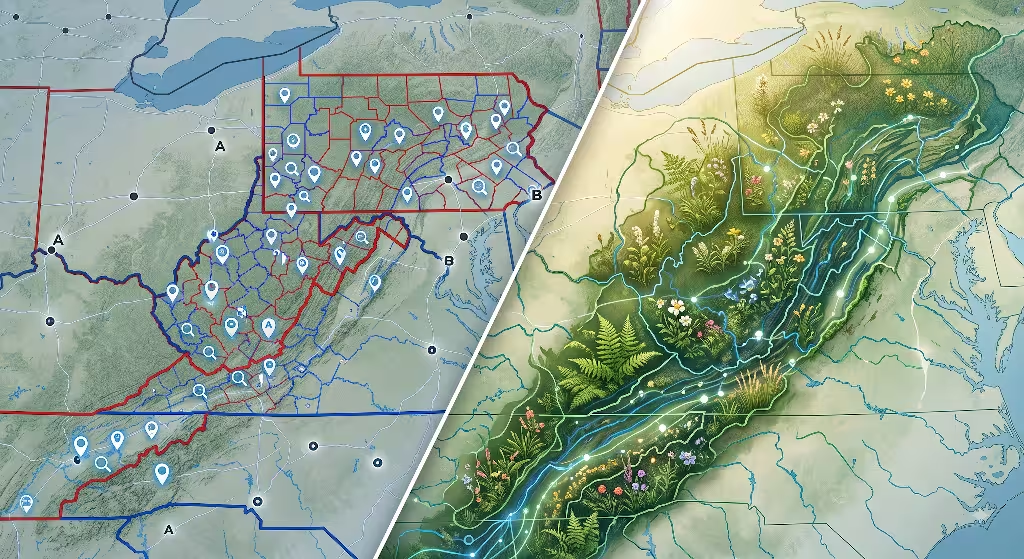
To understand why traditional search engine optimization often fails native plant nurseries, we must look at how standard local search algorithms operate. Search engines like Google rely heavily on physical proximity to a user. They look at city names, zip codes, and county labels to determine which businesses appear in local search results. If a customer searches for a plant shop in a specific city, standard algorithms display local businesses within that city limit.
However, nature does not recognize city limits or county borders. A plant species that thrives on the dry slopes of an upland ridge will fail in a low floodplain just five miles away, even if both locations share the same zip code. Customers who purchase from native plant nurseries often understand this difference. Ecological landscapers, restoration managers, and experienced native plant gardeners do not search solely by city name. They search for plants native to specific river valleys, soil types, and eco-zones.
When native plant nurseries rely on standard local search tactics, they create a disconnect between how their inventory functions and how their customers search. Optimizing only for general city terms causes native plant nurseries to miss valuable long-tail search traffic. A general search like garden center near me brings casual buyers looking for imported annuals. Conversely, targeted searches like Piedmont ecotype milkweed bring dedicated buyers who are ready to purchase native species in bulk.
================================================================================
GEOGRAPHIC vs ECOLOGICAL TARGETING FOR NATIVE PLANT NURSERIES
================================================================================
Standard Local SEO                Ecoregional Local SEO
------------------                ---------------------
Target: Cities & Counties         Target: EPA Level III & IV Ecoregions
Boundary: Political Lines         Boundary: Watersheds & Eco-Zones
Focus: Proximity to Zip Code      Focus: Genotype & Local Provenance
Audience: General Buyers          Audience: Ecological Landscapers & Gardeners
================================================================================
The solution for native plant nurseries is to adopt the Environmental Protection Agency (EPA) Ecoregion mapping system as a foundation for website architecture. The EPA categorizes land into Level I, Level II, Level III, and Level IV Ecoregions based on geology, vegetation, climate, soils, hydrology, and wildlife. Level III ecoregions describe major regional ecosystems, while Level IV ecoregions define micro-climates and specific local landscapes.
When native plant nurseries organize site structure around these EPA ecoregions, they match the precise scientific terms used by environmental planners and native plant buyers. This approach enhances search engine trust. Search engines evaluate websites using principles known as Experience, Expertise, Authoritativeness, and Trustworthiness (E-E-A-T). By displaying clear biological provenance and seed origin locations on every page, native plant nurseries demonstrate deep subject matter expertise.
Local ecotype fidelity means growing plants raised from wild seed collected within a specific geographical radius, often within 50 to 100 miles of the planting site. When native plant nurseries highlight local ecotype fidelity on their websites, they provide clear signals to both search engines and human readers. Search engine crawlers recognize specific geographic and biological terms, establishing the website as a regional authority. At the same time, buyers gain confidence knowing the plants will survive in their specific soil and weather conditions.
Keyword Architecture and Ecoregional Search Intent Mapping
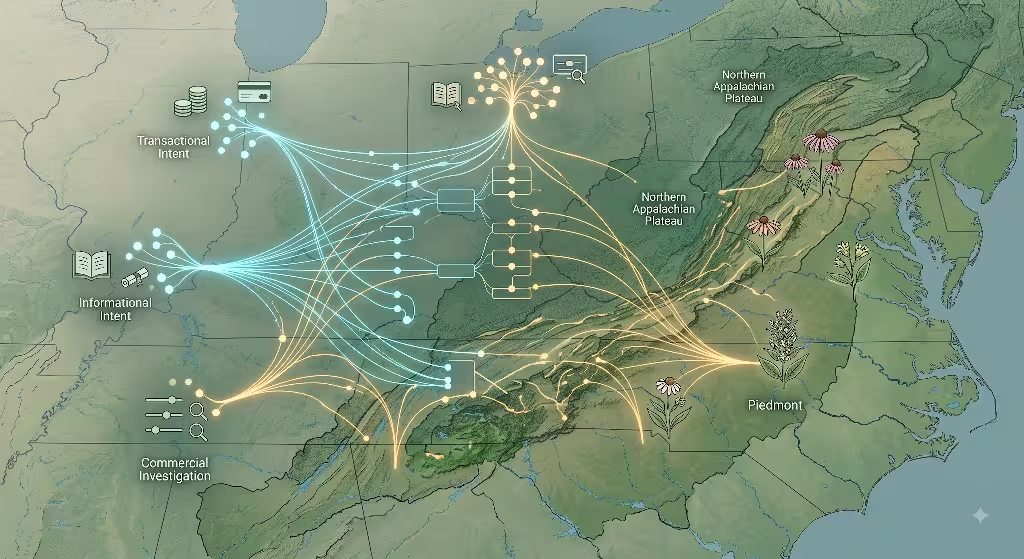
Building a successful search strategy for native plant nurseries requires a structured approach to keyword research. Standard keyword research tools often suggest generic terms with high search volume, such as garden store or outdoor plants. While these terms receive many searches, they attract low intent visitors who may not care about native species. Native plant nurseries need keyword architecture that targets high intent buyers searching for specific plants and regional ecotypes.
A complete keyword matrix for native plant nurseries includes primary seed keywords, secondary modifiers, and detailed species queries. Primary seed keywords establish the baseline function of the business, such as native plant nurseries, wholesale native grower, or ecotype seed supplier. Secondary modifiers add geographic and ecological detail, linking the nursery to specific regions, soils, or wildlife needs.
================================================================================
KEYWORD ARCHITECTURE MATRIX FOR NATIVE PLANT NURSERIES
================================================================================
Category               Example Search Terms
--------               --------------------
Primary Seed           native plant nurseries, native flora grower
Ecoregional Modifier   [Species] native to [Ecoregion/Watershed]
Functional Intent      pollinator host plants [Region], rain garden native plants
Species Specific       buy straight species Asclepias tuberosa [Location]
================================================================================
To capture traffic effectively, native plant nurseries must organize keywords by search intent. Search intent falls into three main categories:
- Transactional Intent: The user wants to buy a plant immediately. Examples include terms like buy straight species Asclepias tuberosa near me, order native grasses in bulk, or local native plant nurseries with retail stock. Pages built for transactional intent must include clear pricing, stock availability, purchasing options, and local pickup details.
- Informational Intent: The user is researching ecological choices or plant requirements. Examples include queries such as what milkweed is native to the Ridge and Valley ecoregion, best host plants for monarch butterflies in clay soil, or how to plant native seeds in winter. Native plant nurseries can capture this traffic by publishing educational guides that link directly to relevant plant catalog items.
- Commercial Investigation Intent: The user is comparing different native plant nurseries or evaluating plant quality before purchasing. Examples include best native plant nurseries for stream restoration, organic vs local ecotype native plants, or local native plant nurseries carrying native trees. Native plant nurseries should address these queries with detailed comparison pages, certification badges, and clear statements regarding seed sourcing practices.
Native plant nurseries should build an ecoregional keyword matrix that maps zip codes to both USDA Hardiness Zones and Level IV Ecoregions. For example, a customer living in a specific zip code might reside in USDA Zone 6b, but ecologically they live in an alluvial river valley. By creating content that connects these zip codes to their broader ecological regions, native plant nurseries can rank for both local zip code searches and regional eco-zone queries.
Google Business Profile and Local Pack Optimization
For native plant nurseries, appearing in the Google Local 3-Pack is essential for driving local foot traffic and local order pickups. The Google Local 3-Pack is the map container that displays three local business listings at the top of organic search results. Optimizing a Google Business Profile (GBP) requires specific adjustments to ensure search engines recognize the specialized nature of native plant nurseries.
Primary category selection is the single most critical setting on a Google Business Profile. Native plant nurseries should select Plant Nursery or Garden Center as their primary category. Secondary categories should include Wholesale Plant Nursery, Landscaper, or Landscaping Supply Store, depending on business services. Choosing accurate categories helps search engines distinguish native plant nurseries from general flower shops or home improvement stores.
================================================================================
GOOGLE BUSINESS PROFILE OPTIMIZATION FOR NATIVE PLANT NURSERIES
================================================================================
Profile Field          Optimization Strategy
-------------          ---------------------
Primary Category       Plant Nursery or Garden Center
Secondary Categories   Wholesale Plant Nursery, Landscaper, Landscaping Supply
Service Area           Mapped to regional watersheds, counties, and eco-zones
Visual Assets          High-res photos tagged with botanical names & ecotypes
Customer Reviews       Prompts encouraging mention of native species and region
================================================================================
Setting service areas inside Google Business Profile requires an ecoregional approach. Rather than listing only a single town, native plant nurseries should list all surrounding counties, major municipalities, and watershed regions served within a reasonable driving distance. This signals to search engines that the business serves a broad regional community across multiple local jurisdictions.
Visual assets play a vital role in local search ranking and user conversion. Native plant nurseries should regularly upload high-resolution photos to their Google Business Profile. Each photo should show healthy plants in different bloom stages, root systems in pots, nursery beds, and customer pickup areas. Images should include metadata and descriptions containing botanical names, common names, and local ecotype identifiers. Showing real photos of healthy native plants builds immediate trust with searchers.
Customer reviews provide valuable text data that search engine algorithms read and analyze. Native plant nurseries can actively encourage satisfied customers to write detailed reviews that naturally include ecological keywords. For example, a review stating, “This nursery has the best selection of native perennial wildflowers for clay soil in our county,” helps search engines connect the business to localized ecological terms. Native plant nurseries should respond professionally to every review, using botanical names and local region references in their replies.
Semantic Technical SEO and Ecoregional Schema Taxonomy
Technical search engine optimization ensures that search engine crawlers can read, understand, and index website content easily. Semantic SEO focuses on context and meaning rather than just counting keyword repetitions. For native plant nurseries, implementing structured data schema markup is the most powerful way to convey biological context to search engines.
Schema markup is code added to a website using JSON-LD format. It tells search engines exactly what a piece of data represents. Native plant nurseries should implement Nursery or LocalBusiness schema on their homepage and contact pages. Within this schema, the areaServed property should explicitly list targeted EPA Ecoregions, watershed names, and county boundaries alongside standard city entities.
JSON
{
  "@context": "https://schema.org",
  "@type": "Nursery",
  "name": "Silphium Native Flora Nursery",
  "description": "Specializing in local ecotype native plants and seeds for ecological restoration.",
  "url": "https://www.example.com",
  "telephone": "+1-555-019-2831",
  "address": {
    "@type": "PostalAddress",
    "streetAddress": "123 Eco Way",
    "addressLocality": "Oakville",
    "addressRegion": "PA",
    "postalCode": "17000",
    "addressCountry": "US"
  },
  "areaServed": [
    {
      "@type": "AdministrativeArea",
      "name": "Ridge and Valley Ecoregion",
      "sameAs": "https://en.wikipedia.org/wiki/Ridge-and-Valley_Appalachians"
    },
    {
      "@type": "AdministrativeArea",
      "name": "Susquehanna River Watershed"
    }
  ]
}
Every plant detail page across native plant nurseries needs custom product schema. Standard e-commerce product schema captures titles, prices, and stock status. Native plant nurseries should extend this schema to include custom properties for botanical taxonomy and environmental requirements. Including scientific names, native range locations, soil moisture needs, and sun exposure levels directly in code helps search engines match pages with complex botanical user queries.
JSON
{
  "@context": "https://schema.org",
  "@type": "Product",
  "name": "Butterfly Milkweed (Asclepias tuberosa)",
  "image": "https://www.example.com/images/asclepias-tuberosa.jpg",
  "description": "Local ecotype butterfly milkweed grown from wild seed collected in the Ridge and Valley ecoregion.",
  "sku": "NAT-ASC-TUB-01",
  "brand": {
    "@type": "Brand",
    "name": "Silphium Native Flora"
  },
  "offers": {
    "@type": "Offer",
    "url": "https://www.example.com/plants/asclepias-tuberosa",
    "priceCurrency": "USD",
    "price": "12.99",
    "availability": "https://schema.org/InStock"
  },
  "additionalProperty": [
    {
      "@type": "PropertyValue",
      "name": "Botanical Binomial",
      "value": "Asclepias tuberosa"
    },
    {
      "@type": "PropertyValue",
      "name": "Eco-Provenance",
      "value": "County Seed Origin Radius 50 Miles"
    },
    {
      "@type": "PropertyValue",
      "name": "Sun Exposure",
      "value": "Full Sun"
    },
    {
      "@type": "PropertyValue",
      "name": "Soil Moisture",
      "value": "Dry to Medium"
    }
  ]
}
Entity linking strengthens semantic SEO for native plant nurseries. Entities are recognized real-world concepts, locations, or organisms stored in database authority graphs. Native plant nurseries can connect their web content to external authority graphs using the sameAs property in schema markup. Linking plant species pages to official resources like the USDA Plants Database, Flora of North America, or Wikidata entries confirms biological accuracy. This explicit data linking makes it easy for search engine artificial intelligence models to index native plant nurseries correctly.
Content Strategy: Educating Buyers on Local Genotype vs. USDA Zones
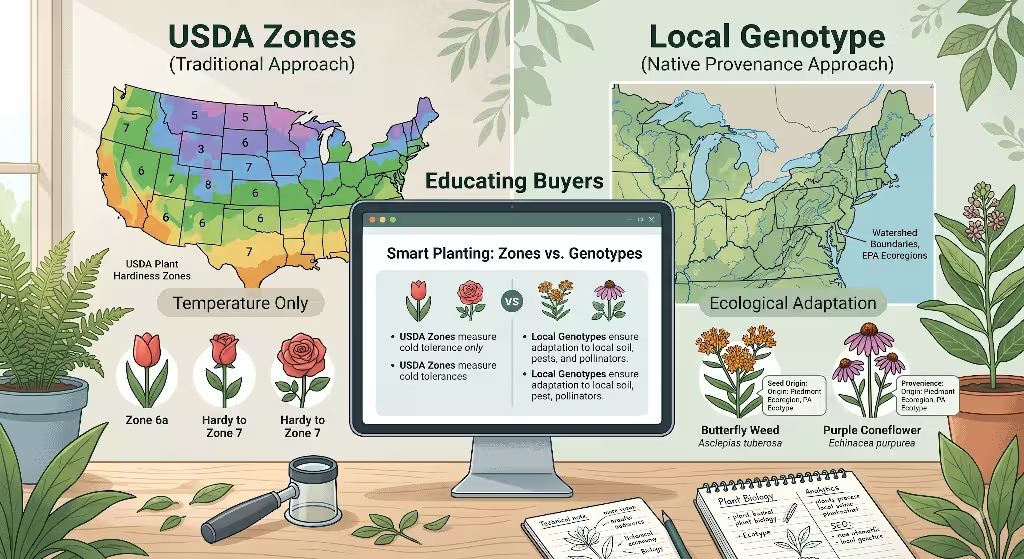
A primary challenge facing native plant nurseries is educating customers about the difference between plant hardiness zones and true native plant ranges. Many gardeners rely on USDA Plant Hardiness Zones when shopping for greenery. However, USDA zones measure only average annual minimum winter temperatures. They tell a grower if a plant can survive cold winter air, but they say nothing about summer heat tolerance, soil microbial relationships, rainfall patterns, or local insect interactions.
A plant originating from a distant state might survive winter in a target USDA zone, yet fail to bloom at the right time for local pollinator species. Conversely, local genotypes from native plant nurseries have evolved over thousands of years to align perfectly with regional seasonal changes, local insect lifecycles, and regional rainfall patterns.
================================================================================
USDA HARDINESS ZONES vs LOCAL ECOTYPES
================================================================================
Feature               USDA Hardiness Zones         Local Genotypes / Ecotypes
-------               --------------------         --------------------------
Primary Metric        Minimum Winter Temperature   Geology, Hydrology, Climate
Scope                 Broad National Bands         Local Eco-Zones & Regions
Ecological Alignment  Low (Temperature Only)       High (Pollinators & Soil)
Target Source         Commercial Nurseries         Native Plant Nurseries
================================================================================
Native plant nurseries can leverage this educational need to build authority in search engine rankings. By publishing in-depth articles that explain the limits of hardiness zones, native plant nurseries attract links and attention from environmentally conscious readers. Content should clearly demonstrate why local genotypes offer superior long-term survival rates, lower maintenance costs, and better ecological benefits for backyard wildlife habitats.
Pillar content strategies work exceptionally well for native plant nurseries. A pillar page serves as an overarching guide covering a broad topic in depth, linking out to supporting sub-topic pages. Native plant nurseries should create dedicated ecoregional pillar pages for each major eco-zone in their sales region. For instance, a pillar page titled “Native Plant Guide for the Ridge and Valley Region” can link out to targeted pages focused on shade-tolerant forest plants, dry slope grasses, or wetland edge shrubs.
Individual plant catalog pages across native plant nurseries should function as high quality educational resources. Rather than listing only basic sales copy, each plant page should display structured biological specifications:
- Botanical Binomial and Common Names: List full scientific binomials alongside accepted local common names.
- Seed Provenance: Identify the original county or watershed where parent seeds were gathered.
- Host Plant Relationships: Detail specific caterpillars, native bees, and wildlife supported by the plant.
- Soil Hydrology and Light Preferences: Specify exact soil drainage requirements, pH tolerances, and daily sunlight needs.
- Companion Species: Recommend other plants from the same ecoregion that naturally grow alongside the species in wild habitats.
Seasonal Phenology Calendars for Local Organic Search
Phenology is the study of recurring natural biological events, such as plant flowering times, bird migrations, and insect emergences. In the ecological world, timing is everything. Phenology also creates predictable search engine traffic patterns. Search volume for specific plant topics rises and falls in rhythm with natural seasons. Native plant nurseries that align their publishing schedules with natural phenology cycles can capture organic search traffic right as buyer interest peaks.
================================================================================
ANNUAL PHENOLOGY AND SEO CALENDAR FOR NATIVE PLANT NURSERIES
================================================================================
Season    Natural Phenology Event        SEO Content Strategy
------    -----------------------        --------------------
Winter    Seed Dormancy & Stratification  Cold Stratification Guides & Seed Sales
Spring    Sap Flow & Early Blooms        Spring Bare-Root Stock & Early Perennials
Summer    Peak Bloom & Pollinator Visits Pollinator Garden Guides & Pot-Grown Stock
Fall      Seed Drop & Root Development   Fall Planting Benefits & Dormant Shrub Sales
================================================================================
During late fall and early winter, native plant seeds enter dormancy and require cold, moist conditions to germinate in spring. Buyers interested in native seed propagation begin searching for winter sowing instructions in November and December. Native plant nurseries can publish step-by-step guides on cold stratification during early fall. By the time search queries for winter sowing reach their seasonal high, these educational articles are fully indexed and ranking at the top of search engine results.
In early spring, search volume spikes for early blooming spring ephemerals like bloodroot, Virginia bluebells, and trout lily. Native plant nurseries should update and re-promote spring planting content six to eight weeks before the local soil thaws. Publishing content ahead of the season allows search engines time to crawl updated pages, ensuring native plant nurseries capture early spring garden planning traffic.
By summer, customer attention shifts to pollinator gardens, butterfly host plants, and drought-tolerant landscaping. Search queries spike for monarch host plants, native summer wildflowers, and water-wise native grasses. During fall, search queries focus on native tree planting, shrub installation, and overwintering garden prep. Fall is often the best season for planting native woody species, and native plant nurseries that publish clear fall planting guides can drive substantial end-of-season retail sales.
Integrating live inventory feeds with organic web pages creates a significant advantage for native plant nurseries. When a customer searches for a specific species, landing on an out-of-stock page causes immediate frustration and leads to high bounce rates. By linking real-time nursery inventory management systems directly to website product listings, native plant nurseries ensure search visitors see accurate stock levels, container sizes, and estimated pickup dates.
Frequently Asked Questions about Native Plant Nurseries and Local SEO
When users search Google, search results frequently feature a dynamic box titled “People Also Ask” (PAA). This section contains common questions related to the original search term, along with brief direct answers pulled from indexed websites. Native plant nurseries that structure content to directly answer these PAA queries can capture prime visibility on the first page of search engine results.
To win these featured snippet boxes, native plant nurseries must format Q&A content cleanly. Using clear section headers shaped as direct questions, followed by concise, factual answers of 40 to 60 words, makes content easily readable for automated search engine crawlers. Below are four key PAA questions relevant to native plant nurseries, formatted with optimized answers.
Why are local genotypes important when buying native plants?
Local genotypes, or local ecotype plants, are genetically adapted to the specific climate, soil conditions, rainfall patterns, and native insects of a distinct geographic area. Buying plants grown from local wild seed origins ensures higher long-term plant survival rates, better resilience against regional weather extremes, and synchronized bloom times with local pollinator populations compared to non-local native varieties.
================================================================================
WHY LOCAL GENOTYPES MATTER
================================================================================
1. Higher long-term survival in native soils
2. Natural resistance to local weather extremes
3. Perfect bloom synchronization with native pollinators
4. Protection of regional wild plant genetic integrity
================================================================================
How do I find out what ecoregion I live in?
You can identify your specific ecoregion by reviewing the Environmental Protection Agency (EPA) Ecoregion maps. The EPA divides land into Level III broad regional ecosystems and Level IV detailed micro-climates based on regional geology, vegetation, soil, and hydrology. Local native plant nurseries, state native plant societies, and conservation extension offices also provide zip code lookups to map your property to its correct ecoregion.
What is the difference between a native plant and an ecoregional native?
A native plant is broadly defined as any species present in a country or state prior to European settlement. An ecoregional native refers specifically to a plant grown from seed originating within a distinct local ecological region, such as a specific watershed or mountain valley. Ecoregional natives preserve local genetic identity and offer superior ecological value for local habitat restoration.
How do native plant nurseries rank higher in local search?
Native plant nurseries rank higher in local search by implementing ecoregional search engine optimization strategies. This includes optimizing Google Business Profiles with accurate nursery categories, adding JSON-LD structured schema markup specifying local ecoregional service areas, building landing pages focused on local plant ecotypes, and earning backlinks from regional conservation societies, land trusts, and native plant organizations.
Ecoregional Link Building and Digital Authority Networks
Search engine algorithms evaluate a website’s authority in large part by analyzing its backlink profile. A backlink is a link from an external website pointing back to your site. Search engines treat backlinks as votes of confidence. However, not all backlinks hold equal value. For native plant nurseries, getting links from relevant regional ecological organizations is far more valuable than receiving generic directory links.
================================================================================
HIGH VALUE BACKLINK SOURCES FOR NATIVE PLANT NURSERIES
================================================================================
Link Source Category           Example Organization Types
--------------------           --------------------------
Native Plant Societies         Wild Ones Chapters, State Botanical Societies
Conservation Land Trusts       Regional Watershed Coalitions, Riverkeeper Groups
Educational Extension Offices  County Master Gardener Programs, University Labs
Local Municipalities           Town Environmental Advisory Councils, Parks Depts
================================================================================
Building a strong digital authority network for native plant nurseries involves establishing connections with local and regional environmental organizations:
- Local Native Plant Societies and Wild Ones Chapters: These non-profit groups maintain resource directories listing trusted native plant nurseries. Ensuring your nursery is listed in their regional buyer guides builds targeted traffic and high authority backlinks.
- Watershed Conservation Associations and Land Trusts: Watershed organizations frequently manage habitat restoration projects and host educational native plant sales. Sponsoring watershed events or providing educational speakers creates natural opportunities for valuable editorial backlinks.
- County Extension Offices and Master Gardener Programs: Extension offices regularly publish native plant lists and educational resources for local residents. When native plant nurseries offer detailed educational content or host training workshops, extension staff frequently link to those guides as trusted community references.
Digital public relations (PR) through ecological restoration case studies is another highly effective tactic for native plant nurseries. When native plant nurseries supply plants for public rain gardens, park restorations, or school outdoor classrooms, they should document the project on their website. Publishing a case study detailing soil preparation, species lists, and local ecotype choices provides great content. Native plant nurseries can share these case studies with local news outlets, town newsletters, and environmental blogs, securing localized news coverage and authoritative backlinks.
On-Page UX and Biophilic Structural Layout
User experience (UX) and design choices directly impact search engine performance. If a visitor clicks a link to a website, finds the design confusing or slow, and immediately leaves, search engines notice that behavior. This bounce signal suggests the site did not fulfill the user’s search intent, leading to lower rankings over time. For native plant nurseries, applying biophilic web design principles creates an intuitive, calming, and highly engaging online environment.
Biophilic web design translates organic nature patterns into digital layouts. This design visual approach incorporates elements that mimic natural structures, such as subtle visual curves, organic color palettes inspired by local landscapes, clear visual hierarchies, and generous whitespace. Rather than overwhelming visitors with bright banner ads or harsh popups, biophilic design creates an inviting atmosphere that reflects the quiet experience of walking through a well kept nursery.
================================================================================
BIOPHILIC DIGITAL DESIGN PRINCIPLES FOR NATIVE PLANT NURSERIES
================================================================================
Design Element         Implementation Method
--------------         ---------------------
Color Palette          Earthy, muted tones drawn from local native ecosystems
Visual Layout          Clear hierarchies with curved lines and natural spacing
Imagery Style          High-resolution photos of real native plants in habitat
Mobile Performance     Optimized image loading under 2.5 seconds on mobile
Interactive Tools      Map-based filters for zip code and ecoregion selection
================================================================================
Mobile page performance is critical for native plant nurseries. Many customers browse plant catalogs while walking through greenhouse aisles, standing in outdoor garden beds, or visiting job sites. If a mobile page takes too long to load, customers quickly give up. Web pages must load key content in under 2.5 seconds on mobile devices to meet Google’s Core Web Vitals standards. Native plant nurseries can achieve fast load speeds by compressing plant images, utilizing modern image formats like WebP, and keeping web code clean and efficient.
Sub-location user experience requires clear navigation features for local shoppers. Websites for native plant nurseries should offer interactive search filters that allow buyers to sort inventory by sun exposure, soil moisture, plant height, wildlife value, and specific ecoregion origin. Including clear driving directions, greenhouse operating hours, seasonal pickup rules, and interactive local maps ensures mobile visitors can transition smoothly from browsing online to visiting the nursery in person.
Performance Tracking, Analytics, and ROI Attribution
Implementing an ecoregional local search engine strategy requires ongoing monitoring to track progress, measure financial return on investment (ROI), and refine tactics over time. Standard web analytics track total site visitors, but native plant nurseries need deeper insights into how organic search traffic translates into real local sales, wholesale contracts, and foot traffic.
================================================================================
KEY PERFORMANCE INDICATORS (KPIs) FOR NATIVE PLANT NURSERIES
================================================================================
Metric Category        Target KPI Focus
---------------        ----------------
Local Pack Metrics     Map view impressions, phone calls, driving directions
Organic Traffic        Targeted visits to ecoregion landing pages & species catalog
Conversion Tracking    Online orders, plant availability inquiries, pickup bookings
E-E-A-T Authority      Backlink growth from botanical & conservation domains
================================================================================
Key performance indicators (KPIs) for native plant nurseries should focus on high intent local actions:
- Google Business Profile Metrics: Track monthly growth in Local Pack impressions, customer phone calls, driving direction requests, and clicks to the website. An increase in direction requests directly correlates with rising foot traffic at the nursery.
- Ecoregional Keyword Rankings: Monitor organic rankings for localized botanical terms, ecoregion phrases, and core keywords like native plant nurseries. Track both local zip code results and broader regional eco-zone searches.
- Organic Conversion Metrics: Measure online plant orders, local pickup bookings, native seed catalog requests, and contact form submissions from landscape contractors.
To measure financial ROI accurately, native plant nurseries must implement clear conversion attribution modeling. Attribution connects initial website visits to final sales. By setting up event tracking in web analytics tools, native plant nurseries can track when a customer reads an educational article on local plant genotypes, views specific plant catalog pages, and completes an order or submits an inquiry form.
Attribution modeling helps nursery owners see which educational guides drive the most revenue. For instance, an article explaining rain garden plants might receive moderate total web traffic, but generate high wholesale order inquiries from local landscaping firms. Understanding these content pathways allows native plant nurseries to invest marketing resources into high performing topics that directly grow the business.
Taking Action on Your Strategy
Transitioning to an ecoregional local search engine optimization strategy allows native plant nurseries to build a powerful digital presence rooted in biological authenticity. By organizing digital strategy around real ecological boundaries rather than arbitrary political borders, native plant nurseries attract buyers who value high quality, locally adapted plant material.
================================================================================
STEPS TO IMPLEMENT AN ECOREGIONAL LOCAL SEO STRATEGY
================================================================================
Phase 1: Foundation   Set up GBP, select categories, define ecoregion scope
Phase 2: Technical    Add JSON-LD schema with areaServed & botanical product tags
Phase 3: Content      Build ecoregion pillar pages & detailed plant catalogs
Phase 4: Optimization Publish seasonal phenology guides & implement Q&A formats
Phase 5: Outreach     Connect with local plant societies & build regional links
Phase 6: Analytics    Track local pack metrics, direction calls, and online orders
================================================================================
To implement this strategy successfully, native plant nurseries should follow a structured step-by-step roadmap:
- Audit Geographic Scope: Map your nursery location and seed collection zones to official EPA Level III and Level IV Ecoregions and watershed basins.
- Optimize Google Business Profile: Ensure your primary category is set to Plant Nursery or Garden Center. Define service areas across regional watersheds and add high quality, geotagged photos of native inventory.
- Deploy Ecoregional Schema Markup: Implement structured JSON-LD code across your website, marking up local business information, ecoregional service areas, and botanical product details.
- Build Ecoregional Pillar Pages: Create comprehensive landing pages dedicated to native plants of your specific eco-zones, linking directly to plant catalog items with detailed ecotype descriptions.
- Publish Phenology-Based Content: Develop an annual content calendar timed with natural seasons, offering winter sowing guides, spring bloom updates, summer pollinator tips, and fall planting advice.
- Engage Ecological Networks: Connect with local native plant societies, watershed associations, extension offices, and land trusts to earn authoritative regional backlinks.
- Monitor and Refine: Use analytics to track search rankings, driving direction requests, and online plant inquiries, continually optimizing content based on real customer search behavior.
By connecting natural ecological principles with modern search engine optimization, native plant nurseries can establish long-term digital authority, support regional biodiversity, and achieve sustainable business growth.