
Table of Contents
Introduction to Translating Taxonomy
The Paradox
Native plant nurseries cultivate the most ecologically critical inventory in the green industry. You grow the species that feed native insects, sustain migrating songbirds, and rebuild living soil systems. Yet when everyday gardeners visit your digital presence (i.e. your website or social media), they often run straight into a brick wall. Most native plant websites still resemble academic herbarium collections or flat, unsearchable wholesale PDF spreadsheets.
This creates a painful business contradiction. While your physical greenhouses buzz with biodiversity, your website can feel cold, confusing, and dry. Growers know their inventory inside and out, but their digital catalogs lock that knowledge away behind rigid botanical text. When you run a nursery, translating taxonomy into practical web features is essential to bridging this gap. Without an intentional approach to translating taxonomy, your website risks turning excited plant lovers away before they ever place an order.
The Cognitive Gap
The root cause of this friction is a fundamental divide in how different people look at plants. Professional botanists, growers, and ecologists organize their thinking through phylogenetic clades, formal synonymy, and specific epithets. They look at a hillside and see plant communities bound together by shared evolutionary history and distinct microclimates.
Retail homeowners, by contrast, think in everyday functional landscape problems. They do not arrive on your site searching for Eurybia divaricata. They arrive asking practical questions: What native flower will bloom in dry shade under my mature oak tree? What deep-rooted perennial will stop soil erosion on my steep backyard bank? What can I plant that deer will leave alone?
When your website speaks only the language of formal research, you create an unnecessary barrier. By translating taxonomy into intuitive visual cues and functional categories, you help everyday shoppers find the right solutions. Successful web design relies on translating taxonomy so that involved botanical science directly answers common homeowner questions.
The Lost Transaction
When an interested customer feels overwhelmed by confusing Latin lists, the transaction is lost. Plant buyers want to make responsible ecological choices, but intimidation drives them away. They close the nursery tab and drive to a generic big-box garden center.
Those commercial retailers may sell non-native plants or sterile cultivars that offer little ecological value, but their marketing is clear and convenient. They label pots with friendly descriptions, bright photos, and simple symbols for sun and water. The customer leaves with a cart full of common plants simply because the shopping experience was accessible.
Every time this happens, your nursery loses immediate revenue, and the local ecosystem loses an opportunity for genuine restoration. The answer is translating taxonomy so your online inventory is just as welcoming as a retail garden center while preserving complete ecological integrity. By translating taxonomy into an engaging user experience, you turn curious visitors into loyal repeat customers.
The Solution
Making plant science accessible does not mean stripping away the scientific truth. In fact, true accessibility honors the science by helping more people understand it. Translating taxonomy is not about dumbing down botany; it is about designing responsive, multi-layered digital architecture.
When you build a website around translating taxonomy, you create an interface that serves both beginners and seasoned professionals. A novice gardener can filter by bloom color, plant height, and garden conditions, while a landscape architect can instantly verify ecotypes, nursery volume, and current nomenclature. By translating taxonomy into clear visual layouts, your digital catalog becomes an educational hub and a reliable engine for sales growth.
The Nursery Operational Bottlenecks: The Cost of Poor Data Structure
Staff Exhaustion and Repetitive Support Loops
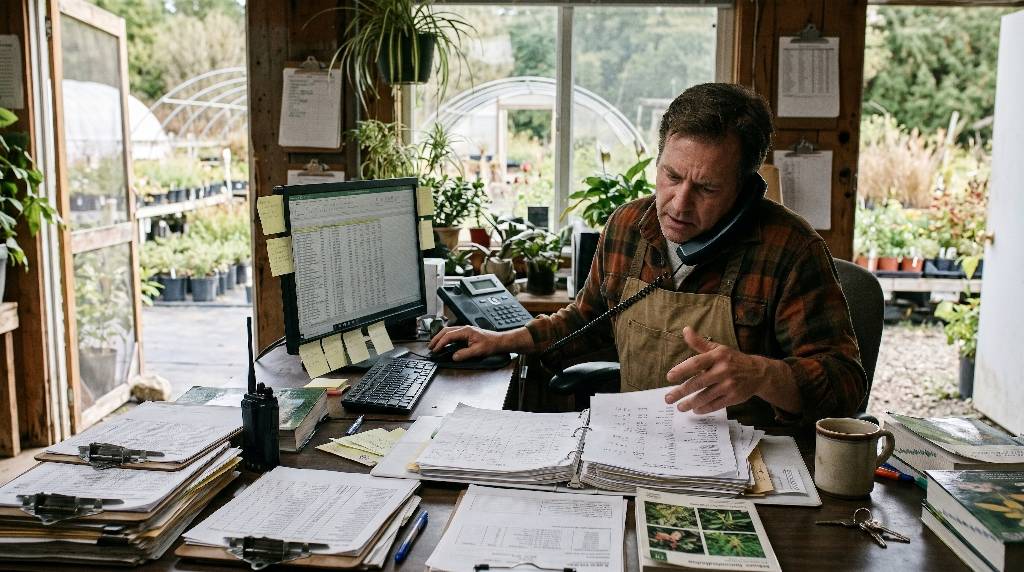
Running a native plant nursery during peak spring distribution is demanding. Your team balances seed stratification, potting up plugs, managing irrigation, and fulfilling orders. When your digital catalog fails at translating taxonomy into clear, self-service information, your staff pays the price.
During the busiest months, nursery teams spend 15 to 25 hours every week answering the exact same customer inquiries. Phones ring constantly with buyers asking whether a specific sunflower spreads by rhizomes, if a wild bergamot handles wet clay, or how many quarts are currently in stock.
Every minute your staff spends answering routine support questions is time taken away from nursery production and plant care. By translating taxonomy into clear, on-page specifications, your website answers these questions automatically. Good digital design relies on translating taxonomy to lift the administrative burden off your crew so they can focus on growing healthy crops.
The Zero-Result Search Disaster
Traditional e-commerce platforms like Shopify, basic WooCommerce setups, or Squarespace handle simple retail products well, but they often struggle with plant catalogs. Standard search algorithms do not understand botanical relationships. If a customer types “Bee Balm” into your store search bar, but your database only indexes the exact title Monarda didyma, the site displays a blank page: zero results found.
The customer assumes you do not carry the plant and navigates away. In reality, you might have hundreds of healthy quarts sitting ready in hoop houses. This failure happens when your platform lacks the structure for translating taxonomy across common names, historical synonyms, and scientific names.
By translating taxonomy within your store database, your search tools recognize that “Bee Balm,” “Oswego Tea,” and Monarda didyma all point to the same living specimen. Translating taxonomy prevents the zero-result problem and captures sales that would otherwise disappear.
Taxonomic Turmoil and Synonymy Confusion
Botanical classification is dynamic. Botanists frequently reclassify plants based on updated genetic sequencing, splitting broad historic genera into new taxonomic groups. Classic asters become Symphyotrichum, Eurybia, or Doellingeria. Joe Pye weeds shift from Eupatorium to Eutrochium.
These scientific updates are necessary for ecological precision, but they confuse retail shoppers. A home gardener looking for New England Aster may have no idea that your website lists it under Symphyotrichum novae-angliae. If your site does not prioritize translating taxonomy, customer confusion follows.
Furthermore, simply changing a product URL to match a new scientific name can break inbound links and destroy hard-earned search engine rankings. By translating taxonomy through connected synonyms and URL redirects, your site preserves its organic search equity while keeping plant names scientifically accurate. Translating taxonomy allows you to respect ongoing botanical discoveries without confusing your customer base.
Wholesale Specifier Friction
Retail homeowners are only half of your market. Commercial landscape contractors, restoration ecologists, municipal project managers, and landscape architects represent major recurring revenue for native plant growers. These professional specifiers work under tight deadlines and project budgets.
When a commercial specifier visits your website, they do not have time to browse through disorganized product pages or search through an outdated PDF download. They need immediate access to wholesale volume pricing, container specifications, root depths, and precise genetic provenance. If your site fails at translating taxonomy into clean technical data, specifiers will look elsewhere.
They will place their bulk orders with a grower whose catalog provides instant, clear specifications. By translating taxonomy into structured technical summaries, you show commercial clients that your nursery operates with professional rigor. Translating taxonomy for professional buyers turns casual visits into high-value wholesale accounts.
Multi-Layered Information Architecture: Structuring Data for Two Audiences

The Dual-Layer Naming Hierarchy
The foundation of translating taxonomy online is establishing a balanced naming hierarchy. Every product card, catalog grid, and detail page should present scientific authority and common utility side by side.
A successful plant card displays the accepted Latin binomial in an elegant italic serif font, immediately paired with the primary common name in clean, highly legible type. Below this primary pairing, secondary common names and recent taxonomic synonyms sit in a discreet, expandable format.
This dual-layer structure ensures that both novice buyers and academic botanists feel understood. Beginners rely on familiar regional common names, while professionals verify the exact species epithet. Translating taxonomy through this balanced visual hierarchy builds trust across your entire customer base. When translating taxonomy is done with visual care, your digital store feels both welcoming and scientifically sound.
Relational Database Modeling for Plants
Off-the-shelf retail stores treat products as simple items with a price, a SKU number, and a physical weight. Native plants, however, are complex ecological organisms. Effective digital design requires a relational database built around botanical variables.
Translating taxonomy into a relational database means organizing plants across specialized categories:
- Taxonomic Lineage: Order, Family, Genus, Species, Subspecies, and Variety.
- Ecological Niches: USDA Hardiness Zones, EPA Level III Ecoregions, Soil Moisture (xeric, mesic, hydric), Soil Texture (clay, silt, sand, rocky loam), and Light Exposure (full sun, partial shade, deep woodland shade).
- Wildlife Interactions: Larval host designations, specialized native bee associations, hummingbirds, songbird forage value, and mammal resistance.
When your website database connects these attributes, your inventory becomes an interactive learning network. Translating taxonomy through custom relational fields turns a flat product listing into an educational resource. By translating taxonomy into structured database tables, you give your store the tools it needs for powerful search and smart product recommendations.
Controlled Vocabularies Versus Tag Sprawl
A common mistake on nursery websites is unorganized product tagging. One employee enters “wet soil,” another writes “hydric conditions,” and a third types “tolerates wet feet.” Over several seasons, your store search becomes cluttered with duplicate, inconsistent tags.
This tag sprawl confuses your search filters and degrades your site architecture. When translating taxonomy, you must establish controlled vocabularies. A controlled vocabulary uses standardized terms across every plant record in your system.
Instead of twenty loose variations, your system applies consistent, defined parameters for soil, sun, and moisture. Translating taxonomy through controlled terms ensures that every plant appears accurately in customer search results. By translating taxonomy with strict structural discipline, you maintain a clean catalog that grows seamlessly season after season.
Biophilic UX: Transforming Botanical Data into Living Interfaces
Visual Information Chunking
Online visitors do not read long paragraphs of dense botanical descriptions. They scan pages quickly to find the specific details they need. If your product page presents a solid wall of text detailing root structures and leaf margins, shoppers quickly lose focus.
Visual information chunking breaks complex botanical information into clear, modular pieces. Translating taxonomy through visual chunking means organizing data into clean cards, badges, and icon sets.
A shopper should be able to scan three clear icons to instantly identify light, water, and soil requirements without reading a single paragraph. Translating taxonomy into compact visual summaries respects your visitors’ time and makes learning effortless. When translating taxonomy relies on clear visual structures, complex field botany becomes easy for anyone to understand.
Organic Chromatic Palettes
The visual style of your website should reflect the ecological character of the plants you grow. Many commercial websites use sterile corporate blues or overly saturated, artificial green buttons.
A biophilic design approach uses organic color palettes drawn directly from natural habitats. Deep slate grays, rich forest loam tones, soft lichen greens, and warm river rock hues ground the digital experience in nature.
Translating taxonomy through authentic, nature-inspired colors creates a calm atmosphere that invites browsing and reduces digital eye fatigue. Translating taxonomy within a biophilic visual environment reinforces your nursery’s identity as a thoughtful grower. When translating taxonomy is paired with balanced, natural aesthetics, your website reflects the authentic beauty of the wilderness.
Phenology Timelines and Micro-Visuals
One of the most rewarding aspects of gardening with native plants is watching them change across the seasons. Yet traditional e-commerce listings only show a single static photograph of a plant in mid-summer bloom.
Translating taxonomy should also capture the dimension of time. Adding phenology timelines to your plant profiles shows customers how a species behaves throughout the year.
A simple horizontal progress bar can display early spring emergence, peak summer flowering, autumn seed production, and winter structural presence. Sorting plants through phenology visuals helps customers plan balanced gardens that offer ecological value and visual interest in every season. By sorting your data into seasonal timelines, you encourage shoppers to look beyond brief summer blooms and appreciate full lifecycle ecology.
Sensory Typography
Typography plays a quiet but powerful role in how visitors perceive botanical authority. When a website uses generic, mismatched fonts, scientific names lose their gravitas, and common descriptions feel hard to read.
Sensory typography uses typefaces that reflect the craftsmanship of your nursery. A refined serif typeface brings timeless scientific elegance to formal Latin binomials, while a clean, warm sans-serif makes garden descriptions easy to read on mobile devices.
Translating taxonomy through thoughtful typography establishes clear visual boundaries between scientific classification and practical gardening tips. Translating taxonomy requires clean typography so readers can navigate scientific terms without visual friction. By translating taxonomy with disciplined typography, you turn dense botanical text into an inviting reading experience.
Dynamic Ecological Filtering: The Problem-Solver Search Engine

Faceted Search for Ecological Niches
The heart of an effective native plant nursery website is its faceted search engine. Homeowners and restoration professionals rarely shop by scrolling through alphabetical lists. They shop to solve specific environmental challenges on their land.
Translating taxonomy into dynamic faceted filters empowers customers to combine multiple environmental criteria in a few clicks:
- A customer selects:
[Part Sun] + [Wet Clay] + [Deer Resistant] + [Swallowtail Host Plant]. - The catalog instantly narrows down to show species like Zizia aurea (Golden Alexanders) or Asclepias incarnata (Swamp Milkweed).
This is translating taxonomy at its highest level: turning scientific classifications into practical landscape solutions. Translating taxonomy through multi-layered search removes guesswork and builds customer confidence. When translating taxonomy guides your catalog filtering, your website functions like an experienced nursery horticulturist walking alongside every shopper.
Zero-Dead-End Logic
Nothing frustrates an online customer more than setting three search filters and arriving at an empty screen that says “No products found.” Standard e-commerce templates stop right there, leaving the customer stuck.
Translating taxonomy requires a smarter approach known as zero-dead-end logic. If a user selects a rare combination of filters that produces no direct matches, your website should never display a blank page.
Instead, the system should suggest closely related alternatives. The page might announce: “We do not carry a full-shade plant for standing water that stays under 12 inches, but here are two shade-tolerant wetland edge species that thrive in similar soils.” Translating taxonomy through intelligent fallback suggestions keeps the customer engaged and browsing. By translating taxonomy with helpful alternatives, you keep shoppers exploring your inventory rather than leaving your store.
Garden Scenario Selectors
Many homeowners want to plant native gardens but feel overwhelmed by site design. They worry about choosing species that might compete aggressively or fail in their specific soils.
Garden scenario selectors solve this problem by grouping plants into pre-built, problem-solving collections. Translating taxonomy through scenario selectors allows you to build dedicated landing pages for popular projects:
- The Rain Garden Collection: Deep-rooted species designed to capture driveway runoff and filter rainwater.
- The Shaded Woodland Edge: Native woodland groundcovers and understory shrubs that outcompete invasive weeds.
- The Keystone Pollinator Meadow: High-performing species that provide pollen and nectar across the entire growing season.
Translating taxonomy into functional landscape packages turns plant shopping into an approachable, rewarding project. Customers can purchase complete plant groupings with confidence. Translating taxonomy through guided scenario selectors increases average order size while ensuring customers succeed in their home gardens.
Cross-Selling Through Natural Plant Communities
Standard retail websites rely on generic cross-selling algorithms that show unrelated popular products. In a native plant store, recommending a random fertilizer or a plastic garden trowel adds little value.
Ecological cross-selling recommends companion plants that naturally grow together in healthy ecosystems. Translating taxonomy allows your store to recommend plants based on natural plant communities and phytosociological relationships.
When a customer adds Asarum canadense (Wild Ginger) to their cart, your site can recommend Carex pensylvanica (Pennsylvania Sedge) and Polystichum acrostichoides (Christmas Fern) as authentic forest-floor companions. Translating taxonomy into community-based recommendations educates customers on natural garden design. By translating taxonomy into ecological partnerships, you create a smarter shopping experience that boosts nursery sales.
Anatomy of a High-Converting Botanical Product Detail Page (PDP)
Above-the-Fold Clarity
When a visitor lands on a specific plant page, the first screen view determines whether they stay or bounce. Translating taxonomy on product detail pages requires absolute visual clarity above the digital fold.
A high-converting layout places essential information right at the top:
- The Latin binomial and primary common names clearly paired.
- High-resolution, authentic photographs showing the plant in natural landscape settings.
- A scannable visual grid detailing mature height, spread, sunlight range, and soil moisture needs.
- Real-time pot sizes, available inventory counts, and clear pricing.
Translating taxonomy means presenting these facts without requiring endless scrolling. Customers can quickly verify that the plant fits their garden conditions and click “Add to Cart.” Translating taxonomy through organized layouts builds immediate trust and speeds up buying decisions.
Interactive Range and Provenance Badges
In the native plant community, origin matters. Discriminating home gardeners, conservation planners, and restoration contractors want to know where your plant genetics originate.
Translating taxonomy requires full transparency around seed provenance and regional ecotypes. Adding an interactive range badge or county-level origin map verifies that your stock represents true regional wild types rather than distant, unadapted strains.
Translating taxonomy through clear provenance badging demonstrates your nursery’s dedication to genetic stewardship. It separates your authentic native stock from generic commercial growers who ship plants across thousands of miles. By translating taxonomy into verified provenance details, you give conservation-minded buyers an undeniable reason to choose your nursery.
Wildlife Interaction Modules
Native plants are the ecological foundation for local wildlife, and this connection is often what drives retail purchases. A successful product page should showcase these biological relationships directly.
Translating taxonomy into wildlife interaction modules highlights how each plant supports native insects, birds, and pollinators:
- For Asclepias tuberosa, display a prominent badge identifying it as a confirmed Monarch butterfly host plant.
- For Symphyotrichum, highlight its role as a critical late-season fuel source for migrating native bees and butterflies.
- For Cephalanthus occidentalis, note its value for waterfowl and beneficial wetland pollinators.
Translating taxonomy into wildlife connections turns an ordinary plant listing into a meaningful story of ecological restoration. Homeowners love knowing their purchase will bring life into their yards. Translating taxonomy through wildlife data connects your plants to the broader web of life, making your catalog memorable and compelling.
Site Preparation and Establishment Guidance
Many native plant losses happen because gardeners plant them in improper soils or neglect them during their first few weeks in the ground. When plants fail, disappointed customers rarely buy again.
Translating taxonomy should extend into post-purchase care and establishment instructions. Every product page should include practical, concise tips on site preparation, companion planting, and first-year watering regimens.
Explaining that bare-root woodland ephemerals go dormant in mid-summer prevents panicked customer calls when leaves naturally die back. Translating taxonomy into proactive cultural advice educates your buyers and sets them up for long-term success. By translating taxonomy through helpful establishment guides, you build enduring customer loyalty and reduce return requests.
Live Batch and Growth Stage Indicators
Buying living plants online can make shoppers hesitant. Customers worry about receiving tiny, fragile seedlings or root-bound containers that struggle to survive.
Translating taxonomy means being completely honest about current plant growth stages. A live batch status module informs customers exactly what to expect when their order arrives:
- “Dormant, well-rooted winter crown ready for early spring surge.”
- “Actively growing vegetative foliage, 6 to 8 inches tall, shipped in 4-inch deep plugs.”
- “Budded and preparing to bloom, ideal for immediate garden impact.”
Translating taxonomy through transparent growth stage indicators eliminates surprises when shipments arrive on doorsteps. Customers appreciate knowing the exact seasonal condition of their plants. Translating taxonomy with open, honest batch communication creates a dependable, five-star customer experience.
Unifying B2B Wholesale with B2C Retail Discovery
Role-Based Dynamic Pricing and Views
Many native plant nurseries manage two distinct websites or rely on messy, manually updated price lists to balance retail and wholesale operations. This fractured system wastes administrative time and leads to pricing errors.
Translating taxonomy allows you to unite retail discovery and wholesale ordering within a single, elegant platform. Using role-based access controls, your website adapts dynamically to the person browsing:
- An everyday retail customer sees individual pot pricing, standard shipping, and consumer gardening advice.
- A logged-in landscape contractor or conservation specifier sees wholesale tiered pricing, flat-tray case packs, and pallet shipping options.
Translating taxonomy into a unified, role-based store streamlines your entire sales operation. You manage inventory in a single digital database while delivering tailored shopping experiences to every customer segment. Translating taxonomy across retail and commercial tiers expands your market reach without doubling your administrative overhead.
Exportable Digital Tear Sheets
Commercial landscape architects and project specifiers frequently need to present plant choices to clients, municipal planning boards, or conservation review panels. Forcing them to take messy screenshots of web pages creates unnecessary friction.
Translating taxonomy should give professional clients the tools they need to communicate design intent. With a single click, your website should generate a clean, beautifully formatted PDF plant tear sheet.
This exportable document pulls together the scientific name, common names, mature dimensions, ecological benefits, high-resolution photography, and nursery branding into a professional layout. Translating taxonomy into exportable tear sheets saves specifiers hours of presentation preparation. By translating taxonomy into client-ready digital tools, your nursery becomes an indispensable partner for regional design firms.
Contract Growing and Pre-Order Reservation Modules
Ecological restoration projects, highway department plantings, and commercial developments operate on multi-year planning timelines. These large projects require thousands of plants that nurseries must propagate well in advance.
Translating taxonomy should support forward-looking business models like contract growing and seasonal pre-orders. A dedicated reservation module allows commercial clients to reserve specific crop runs months ahead of planting schedules.
The system tracks custom seed collections, stratification schedules, and projected delivery windows directly in the platform. Translating taxonomy into forward-booking tools provides your nursery with predictable, upfront capital for future seasons. Translating taxonomy through custom reservation portals stabilizes your cash flow and builds long-term commercial relationships.
Low-Carbon WordPress, Schema.org, and Performance
Custom Post Types and Advanced Taxonomy Architecture
Many nurseries turn to bloated e-commerce plugins or generic templates that slow down their web servers. These off-the-shelf tools try to force complex botanical relationships into rigid, standard product categories.
A modern website requires a streamlined, custom WordPress architecture. Translating taxonomy effectively means creating dedicated Custom Post Types (CPTs) for plants, alongside custom taxonomies for ecological attributes.
Using lightweight database queries and custom fields, your platform delivers lightning-fast performance without plugin bloat. Translating taxonomy through custom WordPress development ensures your site remains stable, secure, and fully adaptable as your nursery expands. When translating taxonomy is backed by clean code, your website runs smoothly even under heavy seasonal traffic.
Botanical Schema Markup for Local and Organic SEO
Search engines like Google rely on structured code to understand what your website content actually means. If your website only publishes basic text, search engine crawlers miss the deep botanical context of your pages.
Translating taxonomy into structured data requires implementing modern Schema.org markup. Using specialized schemas like Product, Taxon, and BioChemEntity, you communicate scientific details directly to search engine algorithms:
- Search engines instantly identify the exact botanical name, family, and author citation.
- Regional searchers find your nursery when querying specific ecological niches like “native groundcovers for dry shade.”
- Rich snippets display pricing, in-stock status, and plant traits directly in search engine results.
Translating taxonomy into machine-readable data gives your nursery an immense advantage in organic search visibility. You rank higher for high-value botanical searches without spending fortunes on paid digital ads. Translating taxonomy through structured Schema markup ensures your nursery stands out as the premier regional authority online.
Mobile-First Performance for Rural Field Operations
Nursery shopping rarely happens sitting in front of a desktop computer. Landscapers check plant availability from muddy job sites, and homeowners browse catalogs while walking through their garden beds.
Furthermore, many native plant nurseries are located in rural areas where cellular internet connections can be slow and spotty. Translating taxonomy must prioritize lightweight, mobile-first web performance.
By optimizing images, minimizing CSS and JavaScript, and utilizing low-carbon web development techniques, your catalog loads instantly on mobile devices. Translating taxonomy into clean, fast-loading pages ensures that customers can access plant specifications wherever they are. When translating taxonomy is delivered through lightning-fast mobile architecture, your catalog becomes a reliable field tool that never leaves your customers’ pockets.
Accessibility in Complex Data Tables
Botanical data often relies on tables to present detailed specifications like root structure, bloom periods, and light levels. However, poorly coded tables can be impossible for people using screen readers and assistive technologies to navigate.
Translating taxonomy requires an unwavering commitment to web accessibility standards (WCAG 2.2). Every data table must include proper semantic tags, descriptive header associations, and clear contrast ratios.
Screen readers should smoothly announce complex botanical traits in a logical, coherent reading order. Translating taxonomy accessibly ensures that all gardeners, regardless of their visual or physical abilities, can explore and purchase your plants. By translating taxonomy with accessible web standards, you welcome every plant lover into your nursery community while meeting modern legal accessibility requirements.
Business Impact: Measurable Returns of Beautiful Botanical Data
Support Ticket Deflection
The financial return of a high-performance botanical website shows up immediately in staff productivity. When your website answers every common question with clarity, phone lines quiet down.
Translating taxonomy into searchable, on-page specifications deflects hundreds of repetitive support emails and calls every week. Your staff spends less time reading container sizes over the phone and more time packing orders, tending crops, and helping customers in the greenhouse.
Translating taxonomy delivers a direct operational return on investment by saving hundreds of staff hours every season. Your business runs more smoothly, and your team stays refreshed during the spring rush. Translating taxonomy turns your website into a 24/7 digital sales assistant that never gets tired.
Higher Average Order Value
When retail customers shop on a confusing, unstructured website, they tend to purchase only the single plant they initially came looking for. They feel uncertain about combining species, so their shopping carts remain small.
Translating taxonomy into intuitive, community-based recommendations significantly increases your Average Order Value (AOV). When a customer sees how a native grass, an understory fern, and a flowering perennial fit together in a real ecosystem, they buy the whole collection.
Customers feel inspired to create complete, layered garden habitats rather than planting isolated specimens. Translating taxonomy encourages multi-plant purchases by making garden design feel natural and approachable. By translating taxonomy into cohesive garden plant packages, you generate more revenue per transaction while delivering a more rewarding garden outcome.
Expanded Wholesale Acquisition
Commercial landscape contractors and municipal planners often rely on established supplier habits. They stick with familiar wholesale nurseries simply because changing vendors takes too much effort.
A modern website built around translating taxonomy breaks those old habits. When a landscape contractor discovers that your website makes checking availability, downloading specs, and placing orders three times faster than your competitors, they switch their business to you.
Translating taxonomy provides a frictionless commercial purchasing experience that wins high-volume wholesale accounts. Professional buyers reward efficiency with recurring, five-figure nursery contracts. Translating taxonomy elevates your business from a local retail grower into an indispensable regional commercial partner.
Authority and Natural Backlinks
In the world of search engine optimization, high-quality editorial backlinks from trusted organizations are gold. Government agencies, universities, Master Gardener chapters, and regional conservation groups rarely link to commercial sales pages.
However, when you focus on translating taxonomy into an extraordinary educational plant database, other organizations take notice. Extension agents, botanical gardens, and native plant societies will actively link to your plant profiles as definitive educational references.
Translating taxonomy earns authoritative, organic backlinks that elevate your entire website in search engine rankings. Your nursery becomes the recognized reference resource for native plants in your region. Translating taxonomy establishes enduring brand authority that keeps compounding in value year after year.
Turning Botanical Knowledge into Commercial Dominance
The Transition from Inventory List to Brand Asset
A native plant nursery is far more than a simple holding yard for green inventory. You are a biological sanctuary, an ecological research center, and a regional conservation champion.
Yet when your digital catalog remains a flat, uninspired spreadsheet, the public sees none of that passion. Translating taxonomy is the essential strategic transition that transforms a plain product list into an invaluable brand asset.
When you invest in translating taxonomy, you demonstrate that your business understands both the deep science of plants and the modern digital needs of your customers. Translating taxonomy sets your business apart in an increasingly competitive green industry. By translating taxonomy into an engaging, beautiful digital experience, you secure your nursery’s commercial leadership for decades to come.
The Silphium Design Advantage
Bridging complex botanical science, low-carbon web engineering, and biophilic user experience requires a rare combination of skills. Standard web agencies do not understand the difference between an ecotype and a cultivar, while traditional horticulturists rarely write advanced database code.
Silphium Design exists specifically to unite these worlds. We build high-performance, custom WordPress and WooCommerce platforms tailored exclusively for native plant nurseries, botanical gardens, and ecological conservation organizations.
We understand the everyday operational headaches of inventory management, seasonal availability swings, and complex botanical synonymy. Our approach to translating taxonomy combines deep botanical literacy with world-class digital design. When you partner with Silphium Design, you get a custom website that honors your plants, delights your shoppers, and drives sustainable business growth.
Scheduling Your Digital Audit
If your current website is leaking retail sales, overwhelming your nursery staff with phone calls, or failing to attract high-value commercial accounts, it is time for a strategic upgrade. Your plants deserve a digital home that is just as vibrant, resilient, and beautiful as the living ecosystems you nurture every day.
Discover what translating taxonomy can do for your nursery’s bottom line. Visit Silphium Design
today to schedule your comprehensive B2B Botanical UX and Taxonomy Audit. We will analyze your catalog structure, identify search friction points, and provide an actionable roadmap to turn your botanical knowledge into lasting commercial success.