Here at Silphium Design LLC, we look at the internet differently than most people. We see the digital world through the lens of biology and web design. Most websites and social media platforms are built like concrete boxes. They are gray, rigid, and exhausting for the human brain to process.
However, we are biological creatures. Our brains evolved in forests and near water, not in front of glowing rectangles. This is why biophilic design is so powerful. It uses the patterns of nature to make digital spaces feel more comfortable.
When we apply these rules to Pinterest, we create biophilic pins that do more than just show a product. These pins tap into the deep parts of the human mind that crave natural beauty. By using these methods, we can turn a simple image into a restorative experience that also drives sales. The goal is to move past basic marketing. We want to create sensory pins that feel alive.
In this guide, I will show you exactly how to create shoppable biophilic pins for Pinterest. We will combine technical skill with natural wisdom to help your brand grow in a way that feels healthy and organic.
Table of Contents
The Technical Foundations of Your Digital Garden
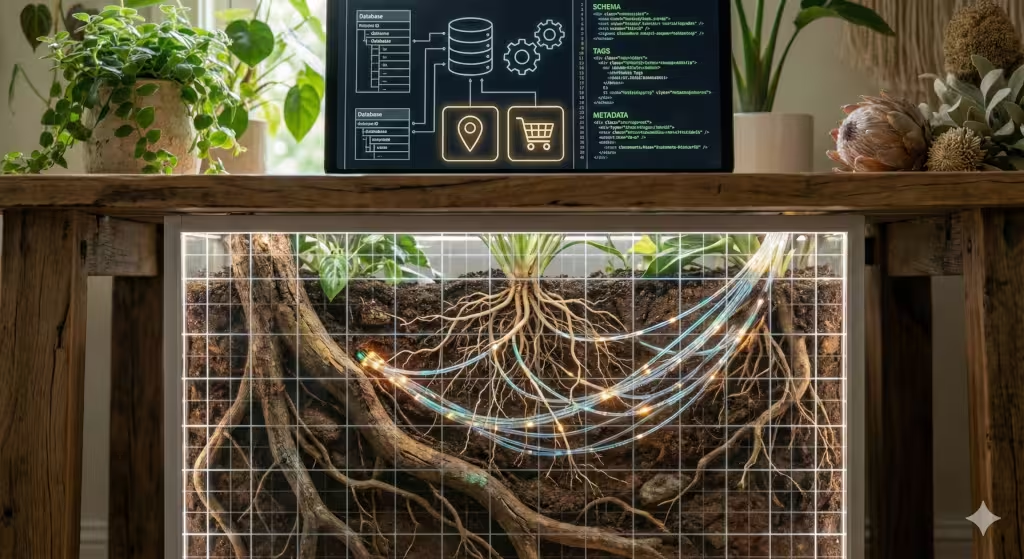
To understand how to create shoppable biophilic pins, we must first look at the technical roots. A pin on Pinterest is like a plant. For a plant to grow, it needs good soil and strong roots. In the world of search engine optimization, your roots are your data. You cannot simply upload a pretty picture and expect it to perform. You need to connect your Pinterest account to your store in a way that the computer can understand.
The first step is setting up a Pinterest Business account. This gives you access to tools that regular users do not have. One of the most important tools is the Catalog feature. This allows you to upload a list of all your products to Pinterest. When you do this, Pinterest creates Product Pins automatically. These pins are special because they show the price and whether the item is in stock. This is the foundation of biophilic pins that people can actually buy.
You also need to use something called Schema markup on your website. Think of Schema as a digital label. It tells search engines exactly what a page is about. For biophilic pins, you want to use Product Schema. This code tells Pinterest things like the name of the product, the price, and the brand. When your website has this code, your pins stay updated. If you change a price on your site, the pin updates itself. This creates a sense of reliability. In nature, we trust things that are consistent. Digital trust works the same way.
Another technical part of biophilic pins is the Pinterest Tag. This is a small piece of code you put on your website. It tracks what people do after they click your pin. It tells you if they bought something or if they just looked around. This data is vital. It helps you see which natural patterns are working and which ones are not. By monitoring this data, you can refine your strategy. You become like a gardener who watches the sun and rain to make sure their plants thrive.
Visual Design Using Natural Patterns
Now that the technical roots are set, we can talk about the visual side. Humans have a natural love for certain shapes and patterns. This is called biophilia. When we design biophilic pins, we use these patterns to capture attention. Most ads use bright, flashing colors and sharp edges. This can make people feel stressed. Biophilic pins do the opposite. They use natural analogues to create a sense of calm.
One of the best patterns to use is the fractal. A fractal is a pattern that repeats at different scales. You see this in tree branches, snowflakes, and river systems. Our brains can process these patterns very quickly. They feel right to us. When you lay out your pin, try to use organic shapes. Avoid hard, 90 degree corners when you can. Use curves that look like hills or leaves. This makes your biophilic pins stand out in a sea of rigid boxes.
Color is also very important. We call this chromotherapy in design. For biophilic pins, you should use colors found in the natural world. This does not just mean green. It can be the blue of the sky, the brown of the earth, or the soft pink of a sunset. These colors lower stress. When a user is scrolling through a loud and busy feed, a calm, nature inspired pin will catch their eye. It provides a visual break. This makes the user more likely to stop and look at what you are selling.
We also think about complexity and order. Nature is complex, but it is not messy. A forest has thousands of leaves, but it still feels peaceful. You want your biophilic pins to have enough detail to be interesting, but not so much that they are confusing. This is a balance. Use high quality photos that show textures like wood grain, stone, or fabric. These textures create a material connection with nature. Even though the user is looking at a screen, their brain feels like it can almost touch the product. This makes the shopping experience feel more real and satisfying.
Step by Step Guide to Creating Shoppable Pins
Let us walk through the actual process of making these pins. Creating biophilic pins is a craft that requires both art and logic. You start with the asset creation phase. You need a high resolution photo. Do not use a plain white background for your product. Instead, place the product in a natural setting. If you are selling a chair, show it near a window with sunlight and a plant nearby. This uses the pattern of visual connection with nature. It tells a story that the brain likes.
Once you have your photo, you need to use the Pinterest tagging tool. This is how you make the pins shoppable. You upload your image to Pinterest and click the tag icon. You can then click on the product in the photo and link it directly to your store. For biophilic pins, I suggest tagging multiple items if they fit the scene. This creates a curated look. It makes the pin feel like a beautiful room or a garden rather than just an ad.
The next step is the text. The words you use are just as important as the image. You must include your main keywords in the title and description. For example, if you are selling eco friendly rugs, your title should mention that. But you should also use words that relate to wellness and nature. This helps the search engine understand that these are biophilic pins meant for a specific audience. Use clear, simple language. Tell the reader how the product will make their home feel more natural and peaceful.
Finally, you should check your links. There is nothing less natural than a broken link. It breaks the flow of the experience. Make sure every tag leads to the correct page on your website. When everything works smoothly, the user feels a sense of ease. This ease leads to higher conversion rates. By following these steps, you ensure that your biophilic pins are not only beautiful but also effective tools for your business.
Common Questions About Shoppable Pins
People often ask how to get started with this kind of design. One common question is how to turn on shoppable features. As I mentioned before, this starts with a business account. If you do not see the option to tag products, you may need to verify your website first. Pinterest wants to make sure you are a real business before they let you sell. Once you are verified, the shop tab will appear on your profile. This is where all your biophilic pins will live.
Another question is what actually makes a design biophilic. It is not just about adding a picture of a leaf. It is about how the design makes the person feel. Does it feel open? Does it feel like it has a rhythm? True biophilic pins use the 14 patterns of biophilic design. These patterns include things like non rhythmic sensory stimuli and the presence of water. Even in a digital image, you can suggest these things. A photo with soft, dappled light suggests the feeling of being under a tree. This is what makes a pin truly biophilic.
Can you use artificial intelligence to make these pins? This is a popular question today. The answer is yes, but you must be careful. AI can create amazing natural backgrounds. However, it can sometimes make things look too perfect. Nature is full of small imperfections. When you use AI for biophilic pins, try to keep it grounded in reality. The goal is to make the user feel a connection to the earth, not to a computer. Use AI as a tool to help you, but always keep a human eye on the final result.
Some users also wonder about the cost. Creating biophilic pins does not have to be expensive. You do not need a professional studio. You just need good natural light and an understanding of design. Most of the tools on Pinterest are free for business users. The main investment is your time and your creativity. If you focus on quality over quantity, you will see much better results. A few well made pins are worth more than a hundred low quality ones.
Understanding Wellness and Digital Biology

To be an expert in this field, you have to understand the connection between wellness and design. Biophilic pins are a form of wellness marketing. When we spend all day looking at screens, our brains get tired. This is called directed attention fatigue. Nature helps our brains recover. By putting natural patterns into our pins, we are giving the user a tiny moment of recovery. This creates a positive feeling toward your brand.
We also use LSI keywords to help search engines find our work. LSI stands for Latent Semantic Indexing. These are words that are related to your main topic. For biophilic pins, these words might include sustainable, organic, wellness, and interior design. When you use these words in your descriptions, you are building a web of meaning. This helps Google and Pinterest understand the context of your pins. It makes it easier for the right people to find you.
We should also think about the entities involved in this work. In the world of search, an entity is a well defined thing or concept. Names like Edward O. Wilson, who popularized the term biophilia, are important. Understanding the work of groups like Terrapin Bright Green can also give you more authority. When you talk about biophilic pins, you are joining a larger conversation about how humans interact with the built environment. This adds depth to your brand and shows that you are an expert in your field.
This approach also helps with something called Local SEO and AEO. Local SEO is about reaching people in specific places. If you have a local shop in Boston, you want your pins to reach people there. AEO stands for Answer Engine Optimization. This is about making sure AI tools like ChatGPT or Google Gemini can find and use your information. By creating high quality, data rich biophilic pins, you make it easy for these systems to recommend your products to users.
The Science of Seeing and Buying

There is a lot of science behind why biophilic pins work. When we see natural shapes, our bodies release chemicals that make us feel good. This is a physical reaction. We can measure things like heart rate and blood pressure, and they often go down when people look at nature. This is why biophilic design is used in hospitals and offices. It helps people heal and work better. On Pinterest, it helps people shop better. A calm shopper is a happy shopper.
When a person feels calm, they are more likely to make a thoughtful purchase. They are not just clicking because they are bored. They are clicking because they feel a connection to what they see. This is why the material connection pattern is so vital for biophilic pins. If you are selling a wooden table, show the grain of the wood. If you are selling a cotton shirt, show the weave of the fabric. These details matter. They satisfy the brain’s need for sensory information.
We also have to think about the rhythm of the scroll. Most people scroll through Pinterest very fast. You need something that breaks that rhythm. Natural fractals are perfect for this. They are different from the usual ads. When someone sees one of your biophilic pins, it acts like a speed bump. It makes them slow down. This increased dwell time is great for your SEO. It tells the platform that your content is valuable. This leads to Pinterest showing your pins to even more people.
The order of information on the pin also helps. We follow the rules of natural hierarchy. In a forest, you see the big trees first, then the bushes, then the flowers on the ground. You should design your pins the same way. The most important thing, like your product, should be the main focus. Then, the eye should move naturally to the price tag and the brand name. This logical flow makes your biophilic pins easy to understand at a glance.
Scaling Your Efforts for Long Term Growth
As you start to see success, you will want to make more of these pins. But you must maintain your quality. Scaling biophilic pins requires a system. You can create templates that use natural proportions. The Golden Ratio is a great tool for this. It is a mathematical ratio found throughout nature, from seashells to galaxies. Using the Golden Ratio in your pin layouts makes them feel naturally balanced. This is a technical way to ensure your pins always look good.
You should also keep an eye on the latest trends in local search. People are looking for nature in their own neighborhoods. If you use biophilic pins to promote a local business, make sure to mention your location. This helps you show up in local search results. People love finding beautiful, nature inspired shops near them. It creates a sense of community and belonging. This is a core value of biophilic design. It is about connecting people to their environment and to each other.
Monitoring your keywords is also a continuous job. The world of biophilic design is growing. New terms and ideas are appearing all the time. Stay curious and keep learning. Look at which of your biophilic pins get the most traffic. Is it the ones with plants? Or the ones with water? Use this information to guide your next set of designs. By staying flexible and responsive, you will keep your digital garden healthy and productive.
Remember that the internet is always changing. Search engines get smarter every day. They are moving away from just looking at words and moving toward understanding images and intent.16 Biophilic pins are ahead of the curve because they focus on the human experience. As long as you keep the needs of the human brain at the center of your work, you will find success. You are not just building pins. You are building a better, more natural way for people to interact with the digital world.
Final Thoughts on Nature and Commerce
In conclusion, learning how to create shoppable biophilic pins is a journey into the heart of human nature. We have combined the hard facts of computer science with the soft beauty of biology. We have looked at how to build strong technical roots with metadata and schema. We have explored the visual power of fractals, organic shapes, and natural colors. We have also seen how these pins can improve wellness and create a better shopping experience.
By using biophilic pins, you are doing more than just selling a product. You are creating a restorative space on the internet. You are helping to lower the stress of the digital world. This is a noble goal. It is also a very effective business strategy. People will always be drawn to nature. By bringing nature into your marketing, you are building a brand that is resilient and sustainable.
I encourage you to start small. Take one product and try to create one of these pins. Pay attention to the light and the shapes. Use the technical tools Pinterest provides. Watch how your audience reacts. Over time, you will develop a feel for this kind of design. You will start to see biophilic pins as a vital part of your business ecosystem.
The future of the internet is not more screens and more noise. It is more meaning and more connection. Biophilic design is the path to that future. Thank you for joining me in this exploration. At Silphium Design LLC, we believe that the best designs are the ones that honor our connection to the living world. I look forward to seeing the beautiful biophilic pins you create. May your digital garden grow and flourish in the years to come.
As you continue to refine your work, always remember the core values of innovation and competence. Stay professional and direct in your efforts. The technical side of this work is just as important as the artistic side. When you master both, you become a true expert. Your biophilic pins will stand as a testament to your skill and your vision.
In the end, we are all part of nature. Even when we are online, we carry our biological heritage with us. By designing with this truth in mind, we create a digital world that is fit for humans. This is the essence of biophilic pins. They are a bridge between the forest and the phone. They are a way to bring a little piece of the natural world into every click. Let us continue to build this bridge together.
The success of your pins depends on your ability to listen to the data and to your own natural instincts. Trust the patterns that have worked for millions of years in the wild. They will work for you on Pinterest too. Keep your focus on quality, beauty, and function. This is the secret to creating truly great biophilic pins. Your customers will thank you for it, and your business will thrive.
As we look ahead, let us keep pushing the boundaries of what is possible. Let us find new ways to integrate biology and technology. The world needs more designers who understand the importance of nature. By focusing on biophilic pins, you are leading the way. You are showing that commerce can be beautiful and that marketing can be healthy. This is the power of biophilic design. This is the future of Silphium Design LLC and the future of the digital world.
I hope this guide has given you the tools and the inspiration you need. Go forth and create. Build your digital forest one pin at a time. The world is waiting for the beauty you will create through your biophilic pins. It is a journey worth taking, for you and for everyone who will see your work. Together, we can make the internet a more natural and restorative place for all.