Table of Contents
The Biological Mandate for Digital Biophilia
Many people use mobile phones to find peace, but they often end up feeling more stressed. This is the digital paradox of modern technology. Wellness applications are built to fix our mental fatigue, but they often cause screen fatigue instead. This happens because most software relies on sharp boxes, bright gray backgrounds, and unnatural shapes.
At Silphium Design LLC, we look at software through a biological lens. Humans have an ancient, built-in need to connect with the living world. Edward O. Wilson called this idea the Biophilia Hypothesis. It means our brains are wired to relax when we see, hear, or interact with natural elements. When we build software that ignores this need, we create friction for the user.
Digital biophilia is the practice of putting natural rhythms and geometries into digital platforms. By using software choices that match our evolutionary biology, we can lower stress in the human body. We can design systems that reduce sympathetic nerve activity, which is the system that triggers our fight-or-flight stress response. When we talk about mobile software, using a nature-themed engagement model is not just an artistic choice. It is a biological tool that can make an app feel like a real sanctuary.
If you run a health or wellness application, using a nature-themed engagement strategy is a smart business move. It solves the biggest issue in the software industry, which is user churn. Churn happens when people download an app but stop using it after a few days. By focusing on a nature-themed engagement approach, you can keep people coming back. This improves your daily active users to monthly active users ratio, which is a major sign of a healthy app.
The design choices we make must go deeper than just using the color green on a screen. True nature-themed engagement happens at the code level and the layout level. It affects how a menu opens, how a button feels when pressed, and how information updates. In this article, we will look at how to build software that matches the human mind. We will see how a nature-themed engagement plan can turn a stressful app experience into a deeply calming habit. When we mix the rules of computer science with the rules of nature, we build better digital tools. Let us explore the main design choices that make this possible.
The Four Pillars of Nature-Themed UX
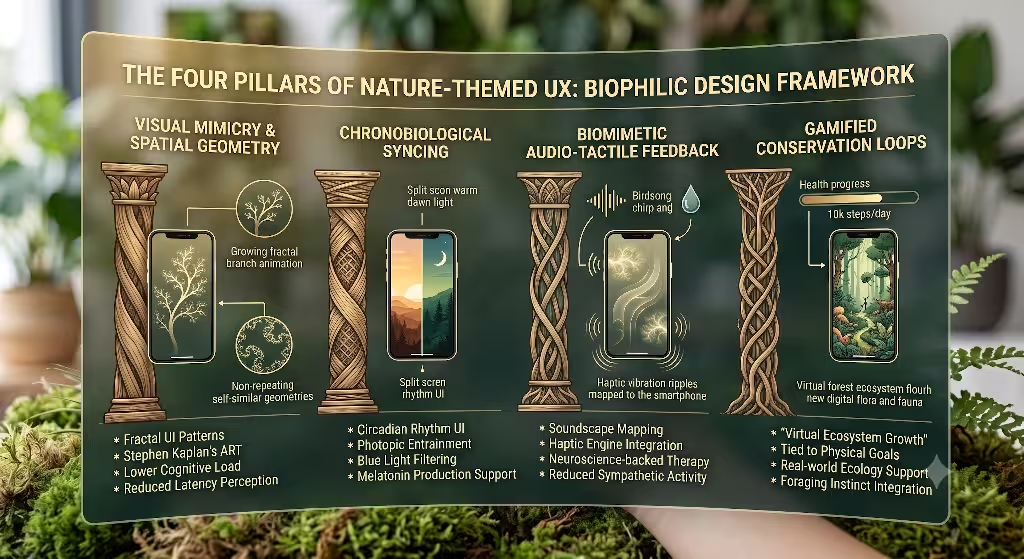
Visual Mimicry and Spatial Geometry
The human eye did not evolve to look at perfect squares or flat gray boxes. For thousands of years, our ancestors looked at trees, clouds, mountains, and rivers. These objects have a specific type of shape called a fractal pattern. A fractal is a shape that repeats itself at different sizes. You can see this when you look at a piece of broccoli, a snowflake, or the branching veins of a leaf. The small parts look exactly like the big parts. Computer programs can generate these shapes using simple math scripts. When a website or app uses these patterns, it creates a powerful form of nature-themed engagement.
Stephen Kaplan developed a concept called Attention Restoration Theory. This theory shows that looking at natural patterns helps the brain rest from hard thinking. When you stare at a typical computer spreadsheet, your brain works hard to focus. This is called directed attention, and it causes mental fatigue. When you look at natural shapes, your brain uses soft fascination. This is a relaxed state of focus that lets your mind recover. By using fractal patterns in your layout, you can trigger this soft fascination. This is one of the most effective types of nature-themed engagement because it reduces the user’s mental workload.
To use this concept in your application, you can change how loading screens work. Instead of using a spinning gray circle, you can use a vector graphic of a growing leaf or a spreading tree root. As the app loads data, the branch divides into smaller branches. This matches the math of real trees, where the size changes but the shape stays the same. This visual choice keeps the user calm. It makes a slow data load feel like a natural process rather than a system failure. When users see these organic movements, they experience an authentic nature-themed engagement loop. This visual trick lowers their frustration and keeps them from closing the app.
Spatial geometry also affects how menus slide open. Instead of a stiff, linear animation, menus can expand like a opening flower or a rippling wave. This organic motion creates a continuous nature-themed engagement experience. The math behind these movements uses curved paths instead of rigid straight lines. By using these natural geometry paths, your app feels less like a machine and more like a living ecosystem. This simple shift in your visual language can completely change how a user feels about your product.
Chronobiological Syncing
Our bodies run on internal clocks called circadian rhythms. These rhythms tell us when to wake up, when to stay alert, and when to sleep. They are controlled by the light around us, especially the blue light from the sun. Modern screens emit a large amount of blue light, which can confuse our internal clocks. This confusion can stop our bodies from making melatonin, the hormone that helps us sleep. A wellness app should never disrupt a user’s natural sleep cycle. Instead, it should use chronobiological syncing to create an ongoing nature-themed engagement dynamic.
This means the application must change its appearance based on the time of day and the user’s location. When a user opens the app at dawn, the background should display soft yellows, warm pinks, and bright morning tones. This choice mimics the rising sun and encourages natural alertness. As the day moves to noon, the screen can shift to bright, clear blues and high-contrast text. This helps the user navigate quickly during a busy workday. This active adjustment is a premier form of nature-themed engagement because it respects the physical state of the user.
The most critical shift happens when the sun goes down. The application must automatically transition into a night mode that cuts out blue light. The colors should change to deep forest greens, warm charcoal grays, and soft earth tones. The text should become softer, and the overall brightness should drop. The words used in the app should also change. Morning notifications can be energetic, while evening messages should use a slow, gentle tone. This complete system shift is an advanced nature-themed engagement method. It ensures the app works with the human body instead of against it.
When you build this type of nature-themed engagement into your system architecture, you create a deeper bond with the user. The user starts to notice that the app fits their mood and their environment perfectly. They do not get a sudden burst of blinding white light when they check their phone before bed. By protecting their circadian health, your app becomes a safe space. This care directly boosts your long term user metrics because people prefer tools that make them feel physically comfortable.
Biomimetic Audio-Tactile Feedback Systems
Most mobile software sounds like a mini factory. We hear sharp clicks, high-pitched dings, and loud buzzes all day long. These digital sounds trigger tiny alerts in our nervous system. Over time, these noises cause low-grade stress and anxiety. To build an effective nature-themed engagement model, we must change our audio and tactile settings. We can replace these harsh noises with sounds from the natural world. This practice is called biomimetic sound design, which means copying the acoustic systems found in forests, oceans, and fields.
Instead of a standard chime, an app can use the sound of a single bird chirp or a gentle water drop to mark a finished task. When a user completes a long breathing exercise, the app can play the soft sound of wind moving through pine trees. These audio cues act as positive reinforcement. They turn a simple task completion into a moment of peace. This auditory nature-themed engagement technique helps the user build a positive mental connection with your software. They begin to look forward to the gentle sounds of the app, which makes them want to use it more often.
We can also connect these natural sounds to the phone’s internal vibration motor, which is called the haptic engine. When a wave crashes in an audio track, the phone can gently vibrate in a rolling pattern that mimics the movement of water. If the app plays the sound of rain, the haptic engine can produce tiny, irregular pulses that feel like raindrops hitting a leaf. This multi-sensory approach creates an incredibly immersive nature-themed engagement experience. It turns a flat glass screen into a tactile object that feels connected to the physical earth.
When you combine natural soundscapes with matching haptic feedback, you touch ancient parts of the human brain. Our ancestors knew that a quiet forest meant safety, while a silent forest meant danger. By filling your software with gentle, living sounds, you send a biological signal that everything is fine. This sensory nature-themed engagement lowers the user’s pulse and clears their mind. It changes the app from a simple digital interface into a rich ecotherapy tool that can be used anywhere.
Gamified Conservation Loops
People love games, and they love to see things grow. We can use this human desire to build long-term habits through gamified conservation loops. This technique connects a user’s real-life health habits with a virtual environment on their screen. For example, when a user completes their daily hydration goal, they receive a small amount of virtual water. They can use this water to nurse a digital seedling into a large tree. This interactive system forms a playful nature-themed engagement framework that keeps people focused on their personal health goals.
The success of apps like Forest shows how well this method works. People do not want their digital trees to die, so they put down their phones and focus on their work. You can adapt this idea for any wellness application. If someone tracks their sleep for five days in a row, their virtual forest can grow new flowers or attract digital birds. This type of nature-themed engagement turns a boring tracking chore into an active, creative game. The user becomes a digital park ranger who is responsible for the health of an entire virtual ecosystem.
To make this nature-themed engagement even more powerful, you can connect virtual actions to real-world rewards. If a group of users grows a certain number of virtual trees, your company can donate money to plant real trees in a damaged forest. This connects the digital world to real-world ecological recovery. Users feel a deep sense of purpose when they know their daily meditation or step count helps restore the actual planet. This dual-layer nature-themed engagement builds immense brand loyalty because it aligns your product with global conservation efforts.
These gamified loops should always feel encouraging rather than stressful. If a user misses a day, their virtual plants should not instantly wither and die. Instead, the soil can look dry, signaling that it is time to return and care for the garden. This gentle guidance is a primary rule of nature-themed engagement design. Nature does not punish; it simply waits for the right conditions to grow. By mirroring this gentle persistence in your software loops, you build a sustainable relationship with your user base.
Frequently Asked Questions about Nature-themed Engagement for Wellness
How do nature-themed features improve mental health app retention?
When people search for information about app design, they often ask how natural features change user behavior. The answer lies in how our brains handle stress and boredom. Most health apps suffer from low retention because they feel like hard work. They ask you to type in numbers, read long articles, or log your food details. This constant input strains our mental energy. When you add features that focus on nature-themed engagement, you provide immediate mental relief. This relief makes the app pleasant to use, which keeps people from deleting it.
Nature-themed engagement acts as an immediate reward system for the brain. When a user opens an app and sees a calm, flowing interface with soft natural sounds, their brain releases a small amount of dopamine. This is the chemical that makes us feel good. Instead of feeling like a chore, opening the app feels like taking a deep breath of fresh air. This emotional lift is why nature-themed engagement tactics are so effective at preventing user drop-off. It changes the user’s relationship with the app from an obligation into a reward.
Over time, this positive feeling builds a strong daily habit. If a user knows that opening their phone will give them a micro-restorative pause, they will open the app during stressful moments. This behavior increases your application’s daily active user metrics. By focusing your software updates on nature-themed engagement, you directly improve your product’s financial health. You spend less money on advertising to win back old users because your current users are happy to stay.
What are the psychological benefits of digital nature exposure?
Scientists have spent years studying how digital nature affects the human mind. The data shows that even brief exposure to images and sounds of nature can lower cortisol levels. Cortisol is the primary hormone that causes stress in the human body. When you view high-quality natural scenes or listen to birdsong through a phone, your nervous system begins to calm down. This is the core benefit of digital nature-themed engagement. It brings the healing power of the wilderness into our indoor, screen-dominated lives.
Digital nature-themed engagement also helps people recover from cognitive fatigue. When you work on a complex task for hours, your brain’s prefrontal cortex gets tired. This can make you grumpy, distracted, and prone to making mistakes. Looking at a biophilic interface for just forty seconds can reset this mental fatigue. This quick recovery happens because natural scenes trigger our involuntary attention. This gentle focus gives our main thinking centers a chance to rest and recharge.
By building these micro-breaks directly into your application, you help your users stay sharp and calm throughout the day. This creates a valuable cycle where the user associates your product with mental clarity. They notice that they feel better after using your tool, which is the ultimate goal of any wellness service. This deep physiological value is what makes nature-themed engagement an essential strategy for modern software developers.
Can virtual nature elements replicate real-world ecotherapy?
It is important to be realistic about what technology can do. A screen can never fully replace the feeling of walking through a real forest, breathing fresh mountain air, or touching cool soil. Real ecotherapy involves all five senses and includes physical movement through a three-dimensional space. However, virtual nature-themed engagement serves as an excellent second option when the real thing is out of reach. For an office worker stuck in a windowless room or a patient in a hospital bed, digital nature is a powerful tool for wellness.
The best way to use digital nature-themed engagement is as a bridge to the physical world. Your software should not try to keep people glued to their screens forever. Instead, it can use digital design to encourage people to explore their local parks and green spaces. For example, you can build features that reward users for logging their outdoor walks or identifying local plants. This approach mixes digital nature-themed engagement with real-world activity, creating a complete wellness routine.
By setting up your app as a helpful guide to the real world, you build a unique brand position. You show that you care about the user’s actual health more than their total screen time. This honest care is a rare and valuable asset in the modern tech industry. When you combine digital nature-themed engagement with real outdoor goals, you create a product that can truly transform lives.
Cross-Channel Value Mapping: Engagement vs. Biology
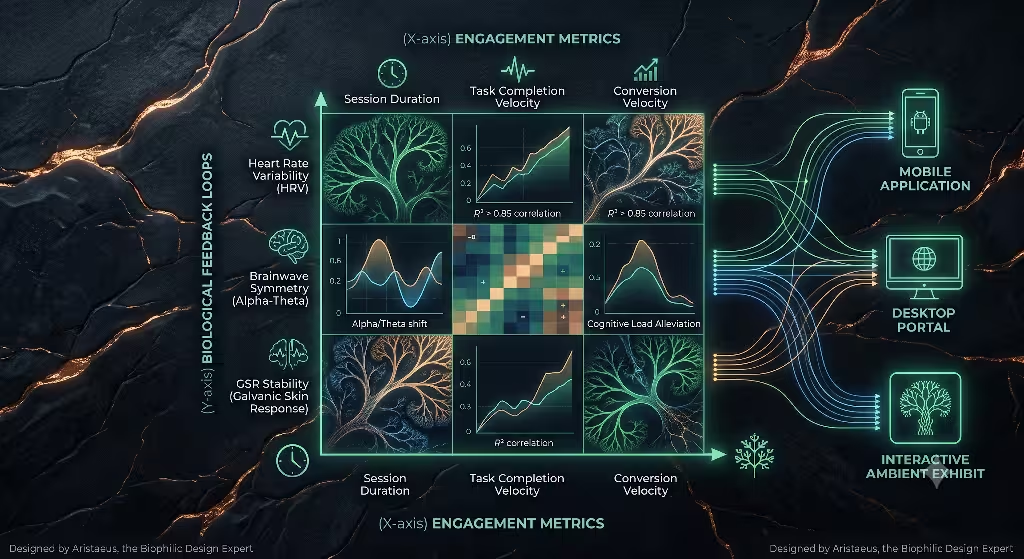
To build a great biophilic application, you must connect your business goals with human biology. Every design choice should serve a clear business purpose while respecting the user’s physical needs. This balance ensures your app remains successful, sustainable, and pleasant to use. The following table shows how specific natural design choices map directly to important product metrics.
| Engagement Tactic | Biophilic Trigger / Entity | Target Product Metric |
| Fractal Loading Animations | Statistical Fractals (Kaplan’s ART) | Lower drop-off rates during data syncs |
| Circadian Theme Shifting | Photopic Entrainment / Circadian Rhythms | Extended late-evening session durations |
| Biomimetic Haptic Notifications | Auditory/Tactile Mimicry (Soundscapes) | Higher push notification open rates (CTR) |
| Digital-to-Physical Foraging Tasks | Innate Foraging Instincts (iNaturalist model) | Enhanced long-term user lifetime value (LTV) |
When you study this layout, you can see that nature-themed engagement is a highly practical business strategy. For instance, using fractal patterns during data loads directly fixes a classic retention problem. Users hate waiting for an app to sync data, and they often close the app if it takes more than a few seconds. By using a natural growth animation, you turn that boring wait into a calming visual moment. This form of nature-themed engagement holds their attention safely and gently. It reduces the perceived wait time without using annoying pop-up messages or flashy distractions.
Similarly, shifting your color choices based on circadian rhythms can improve your late-night usage metrics. If your app remains bright white at ten o’clock at night, users will quickly close it to protect their eyes. By shifting to a soft twilight palette, you create a soothing environment that fits their evening wind-down routine. This thoughtful nature-themed engagement model naturally extends their session length because the app is physically comfortable to look at. By matching your tech choices with human biology, you build a superior user experience that achieves your business goals.
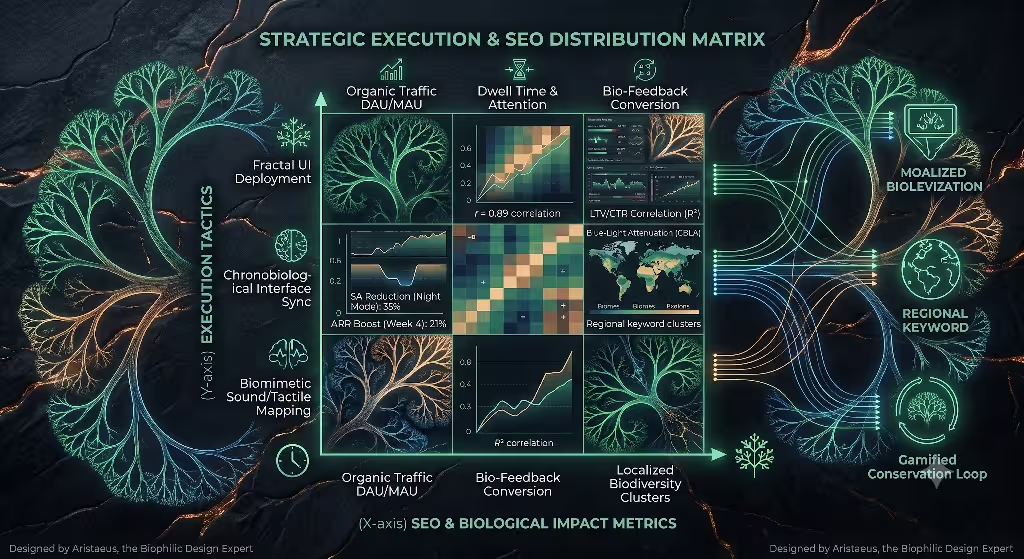
Strategic Execution and SEO Distribution Matrix
Code-Level Implementation Challenges
Building a beautiful interface that focuses on nature-themed engagement sounds wonderful, but it comes with real technical challenges. High-quality audio files, complex vector shapes, and live color transitions can slow down an application. If an app stutters or takes too long to open, users will get frustrated and leave. A slow biophilic app defeats its own purpose by causing stress. Therefore, you must write highly optimized code to keep your nature-themed engagement elements running smoothly.
To keep your app fast, you should use clean vector graphics instead of large photo files for your shapes. Vector formats use mathematical paths to draw shapes, which means they use very little memory and look sharp on any screen size. When building fractal loading animations, you can use efficient code loops that reuse the same basic shapes. This keeps the phone’s processor from working too hard. For your audio systems, use compressed sound files that loop seamlessly without pops or clicks. These smart engineering choices ensure your nature-themed engagement features work perfectly without slowing down the device.
You must also monitor your application’s loading times across different networks. If a user is on a slow mobile connection, the app should automatically load simpler versions of its biophilic assets. It can show a simple organic line animation instead of a complex moving forest scene. This fluid adjustment is an important part of professional nature-themed engagement design. It proves that your application values the user’s time and convenience above everything else. By keeping your software light and fast, you protect the core user experience while delivering deep biophilic value.
Local SEO and Semantic Context
Once you have built an amazing product, you need to help people find it through search engines. This is where modern search engine optimization comes into play. To rank well for terms related to biophilic design, you must understand the intent behind user searches. People who want digital peace are looking for terms like mindful screen time, digital well-being, and stress relief apps. By creating high-quality content around these topics, you can attract people who will love your nature-themed engagement model.
Local SEO is also a powerful way to grow your user base. You can create localized content clusters that match your app’s features with regional environments. For example, if your app includes nature sounds, you can create specific audio sets for different cities or states. A user in New England might love a soundscape filled with regional birds and frogs, while a user in California might prefer the sound of the Pacific surf. By writing blog posts about these regional assets, you capture local search traffic and show a deep connection to your users’ real-world environments. This targeted content strategy expands your nature-themed engagement approach into your marketing campaigns.
You should also include relevant names and terms in your website’s text to show search engines that you are a true authority in this field. Mentioning established scientific concepts like Attention Restoration Theory or the Biophilia Hypothesis helps search engines understand your content’s true depth. It proves that your focus on nature-themed engagement is backed by real science rather than simple guesswork. This professional semantic footprint improves your search rankings and builds strong trust with educated users who want evidence-based wellness tools.
Summary
The intersection of computer science and evolutionary biology is one of the most exciting areas in modern software development. As digital screens continue to dominate our daily lives, the demand for calming biophilic spaces will only grow. Using a comprehensive nature-themed engagement strategy is the best way to meet this demand. It allows you to build software that protects human health while achieving exceptional product retention.
By integrating fractal geometries, circadian color shifts, biomimetic sounds, and gamified conservation loops, you create a complete ecosystem of peace. This careful focus on nature-themed engagement sets your application apart from a crowded market of noisy, stressful tools. It honors our ancient connection to the living world and uses that connection to build healthy, lasting digital habits. As you refine your application’s design, always remember that technology works best when it respects our natural biology. By building with nature instead of against it, you create a highly successful digital tool that truly improves the lives of your users.