
While others see a screen full of pixels and code, with a background in biology see a digital forest. My background is in biology and web design. This allows me to see how we can bring the outside world into our computers.
In 2026, we do not just look at websites. we live in them. If these digital homes are cold and gray, our brains get tired. That is why we study cultural representations of nature in digital media. We want to know how the images and sounds of the wild can make us feel better while we work online.
This article will show you how we can build a better internet by using the patterns of the earth.
Table of Contents
The Silicon Forest
When we talk about cultural representations of nature, we are talking about how we show the world on our screens. In the past, people thought of the internet as a place made of metal and glass. It was separate from the trees and the rain. But today, we know that our brains still crave the outdoors even when we are looking at a smartphone. This is called biophilia. It is the idea that humans have a deep love for living things. At Silphium Design, we use this idea to make websites that feel like a walk in the park.
Creating good cultural representations of nature is not just about putting a picture of a leaf on a page. It is about how the whole site works. Does it move like water? Does it use colors that look like soil and sky? When we get this right, people stay on the site longer. They feel less stressed. This is because we are using cultural representations of nature to speak to the oldest parts of the human brain. We are turning the silicon forest into a place where people can actually rest their minds.+1
Historical and Cultural Evolution
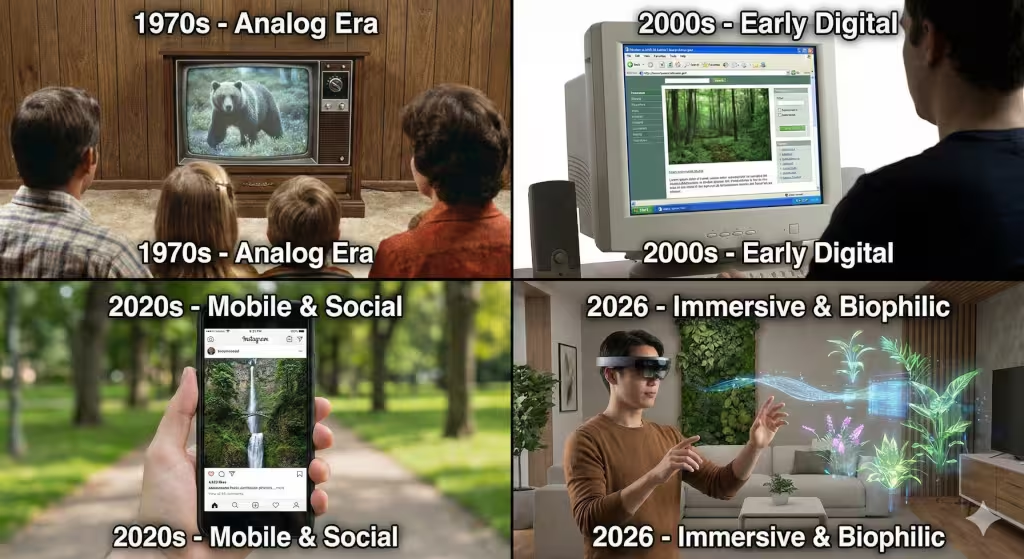
The way we show the earth has changed a lot over time. In the early days of the web, cultural representations of nature were very simple. You might see a grainy photo of a mountain or a bright green background. But as technology got better, so did our art. We moved from watching nature on television to interacting with it in video games. Today, cultural representations of nature are everywhere. We see them in the apps we use to track our fitness and in the social media feeds we scroll through every morning.
This evolution is important because it shows what we value. Long ago, people saw nature as something to be tamed or used. Now, our cultural representations of nature show it as something we need for our health. We see the environment as a sanctuary. In 2026, digital media is the main way many people connect with the wild. Because of this, we have a big responsibility to make sure these cultural representations of nature are honest and helpful. We want to bridge the gap between our high tech lives and our natural roots.
The Psychological Mechanics of Digital Biophilia
Why do certain cultural representations of nature make us feel so good? Science has some answers. One big idea is called Attention Restoration Theory. This theory says that looking at screens all day makes our “focused attention” very tired. We have to work hard to read emails and solve problems. But when we see cultural representations of nature, we use “soft fascination.” This is a type of attention that does not take any effort. It lets our brains recharge.
Another reason is fractal fluency. Fractals are patterns that repeat themselves at different sizes. You can see them in the branches of a tree or the edges of a cloud. Our eyes are very good at looking at these patterns. When cultural representations of nature in digital media use these patterns, it lowers our stress. It is like our eyes are finally seeing something they were designed to look at. This is why we use organic shapes in our web designs at Silphium. We want to provide cultural representations of nature that help you feel calm the moment you land on a page.
How Media Influences Our Perception of Nature
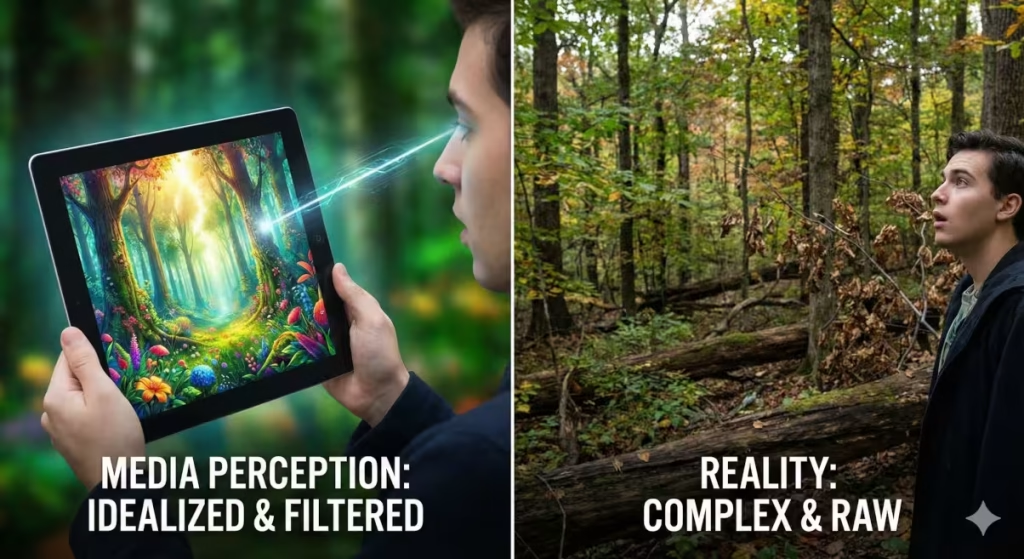
The media we consume every day tells us what to think about the world. If we only see cultural representations of nature that show disasters, we might feel afraid. But if we see cultural representations of nature that show the beauty and peace of the forest, we might want to protect it. Digital media is a powerful tool for changing how we see the earth. It can make us feel like we are part of a global ecosystem.
Sometimes, cultural representations of nature can be a bit too perfect. We see photos that have been edited to look like a dream. While these are pretty, they can make real nature look boring or dull. We have to be careful with these cultural representations of nature. At Silphium, we believe in showing the real world. We use cultural representations of nature that celebrate the small details, like the texture of a rock or the way light hits the grass. This helps people appreciate the nature that is right outside their door, not just the nature on their screen.
What is the Relationship Between Nature and Digital Media?
The link between the wild and the web is getting stronger every year. Some people used to think they were opposites. They thought you had to choose between being outside and being online. But now, we see that digital media can actually lead us back to the earth. For example, apps that help you identify birds or plants are great cultural representations of nature. They use technology to help you learn about the living things around you.
This relationship is also about how we build our digital tools. We are starting to use “permacomputing.” This is a way of making software that uses very little energy. It is a way of respecting the earth by not wasting its resources. When we design websites, we think about these cultural representations of nature. We want the site to be light and fast. This is a type of cultural representation of nature because it shows that we care about the physical world that powers our computers.
How Do Digital Media Represent the Environment?
Digital media shows the environment in many different ways. Some sites use it for education. They show maps of where animals live or how the climate is changing. These are very direct cultural representations of nature. Other sites use it for art. They might have a background that changes based on the weather in your city. This creates a living link between your screen and the outside world.
There are also cultural representations of nature that are more subtle. A website might use a font that looks like it was written by hand. Or it might use sounds of the ocean to help you focus. These cultural representations of nature are all around us. They help us remember that even though we are using a machine, we are still biological beings. In 2026, the best cultural representations of nature are the ones that make us feel more human and less like a cog in a machine.
Biophilic Design in 2026 Web Interfaces
In my work at Silphium Design, I focus on the latest trends. In 2026, web design is moving away from sharp corners and bright white spaces. We are using cultural representations of nature to create “soft” interfaces. This means using curves that look like river banks. It means using colors like sage green and warm clay. These representations make the internet feel like a comfortable home instead of a cold office.
We also use liquid animation. This is when the elements on a screen move in a smooth, flowing way. It looks like water moving under a bridge and help guide the user’s eye without being distracting. It is a very natural way to move through information. By using these representations of nature, we can make the internet a much more pleasant place to spend time. It also helps with SEO because people enjoy being on the site more.
The Ethics of the Impossible Aesthetic
We have to talk about the dark side of cultural representations of nature. Sometimes, the digital world makes nature look so perfect that the real world cannot compete. If we only see cultural representations of nature that are bright and colorful, we might lose interest in the brown leaves or gray skies of real life. This is called the “impossible aesthetic.” It is a fake version of the world that can make us feel unhappy with reality.
As designers, we have to be honest with how we depict nature. We should not just show the “best” parts of the earth. We should show the variety and the cycles of life. Good cultural representations of nature include the rain and the shadows too. This helps people stay grounded. It ensures that our representations lead to more love for the real world, not just a love for the digital one.
Representational Justice in Digital Conservation
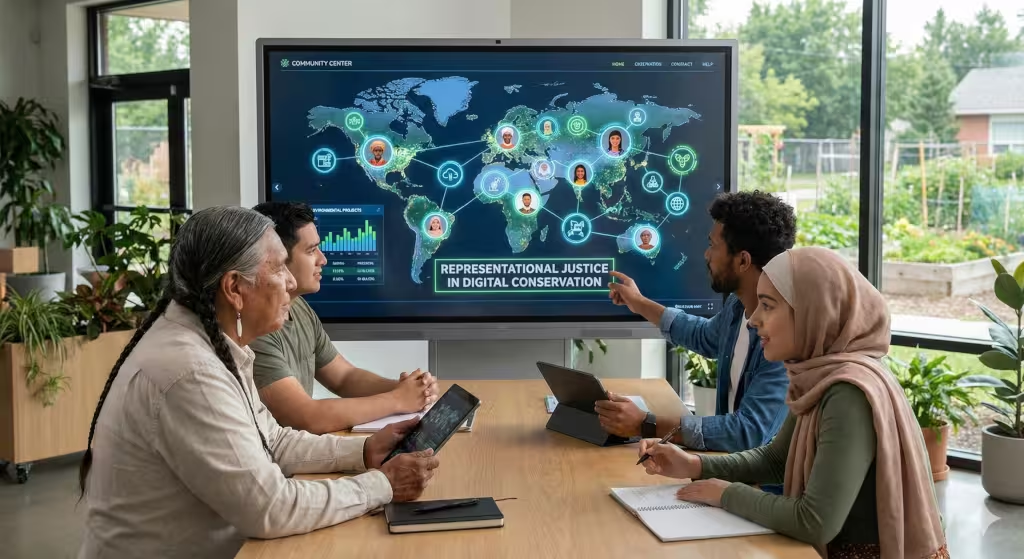
Not everyone sees nature the same way. Different cultures have different stories about the land. When we create cultural representations of nature, we need to include these different voices. For a long time, cultural representations of nature in digital media only showed one point of view. But now, we are seeing more stories from indigenous people and local communities.
This is part of what we call representational justice. It means making sure that everyone’s version of the earth is seen and respected. When we use cultural representations of nature from many different cultures, the internet becomes a richer place. It helps us understand that there is no one “right” way to look at the world. These diverse cultural representations of nature are vital for solving big problems like climate change. We need everyone’s wisdom to take care of our planet.
Future Horizons: Spatial Computing and Generative Eco-systems
The future of cultural representations of nature is very exciting. With new tools like spatial computing, we can walk through digital forests that feel almost real. We are also seeing generative eco-systems. These are digital worlds that grow and change on their own, just like a real forest. These cultural representations of nature are not just movies we watch. They are worlds we can explore.
In the coming years, cultural representations of nature will become even more immersive. You might be able to “feel” the texture of a leaf or “smell” the pine trees through your device. While this is cool technology, we must always remember that these are still just cultural representations of nature. They are meant to help us appreciate the real world, not replace it. At Silphium Design, we are leading the way in making these new cultural representations of nature as helpful and healthy as possible.
Toward a Symbiotic Digital Future
As we have seen, cultural representations of nature are a huge part of our digital life. They affect how we feel, how we think, and how we treat the earth. From the simple photos of the past to the complex virtual worlds of the future, these cultural representations of nature help us stay connected to our roots. They remind us that even in a world of high technology, we are still part of the natural world.
The goal for the future is a symbiotic relationship. We want digital media and the environment to work together. By using smart cultural representations of nature, we can create a web that is good for our brains and good for the planet. We can use cultural representations of nature to teach, to heal, and to inspire. Thank you for joining me on this journey through the silicon forest. Let us continue to build digital spaces that honor the beauty of our living earth through thoughtful cultural representations of nature.
The use of cultural representations of nature will only grow. As search engines like Google get better at understanding what humans need, they will favor sites that use these principles. This is because cultural representations of nature provide real value to users. They make the web a place people want to be. When we use cultural representations of nature, we are not just doing “good design.” We are doing work that matters for the future of our species.
Every time you see a curved line on a website or a calming earth tone, remember that you are seeing cultural representations of nature. These small details are part of a big effort to make the digital world more like the real one. We hope that these cultural representations of nature inspire you to step outside and enjoy the actual forest as well. After all, the best cultural representations of nature are the ones that remind us how lucky we are to live on such a beautiful planet.
In closing, the study of cultural representations of nature in digital media is a blend of art, science, and heart. It is about more than just pixels. It is about how we see ourselves in the world. As we continue to innovate, let us keep our cultural representations of nature honest, diverse, and restorative. This is the way to a better, greener digital future for everyone. By focusing on cultural representations of nature, we ensure that the internet remains a tool for life, growth, and connection.
At Silphium Design, we will keep pushing the boundaries of what is possible. We will keep finding new ways to bring the outdoors in. We believe that cultural representations of nature are the key to a healthy digital life. Whether it is through a blog post or a complex web interface, our goal is always the same. we want to use cultural representations of nature to make the world a little bit better, one click at a time. The power of cultural representations of nature is only beginning to be understood, and we are proud to be at the forefront of this movement.
The evolution of cultural representations of nature shows our growth as a society. We are learning to value the quiet moments and the organic patterns. We are learning that cultural representations of nature are not a luxury, but a necessity. As we move forward, let us keep this lesson close to our hearts. Let us make every digital space a reflection of the beauty we find in the wild. Through these cultural representations of nature, we can find a sense of peace even in the busiest parts of the web.
Thank you for exploring the world of cultural representations of nature with me today. It is a topic that is very close to my heart, and I hope it has given you a new perspective on the screens you look at every day. Remember that you have the power to choose cultural representations of nature that make you feel good. You have the power to create a digital environment that supports your health and happiness. Let us work together to make the internet a place full of vibrant, life-giving cultural representations of nature.
The journey does not end here. There is always more to learn about cultural representations of nature. As technology changes, our ways of showing the earth will change too. But the core need for cultural representations of nature will remain. Humans will always love the earth, and we will always find ways to bring that love into our media. Let us celebrate these cultural representations of nature and the way they connect us all.
By understanding the deep impact of cultural representations of nature, we can be better consumers and creators of digital media. We can demand better cultural representations of nature from the brands we love. We can share cultural representations of nature that lift others up. The future of the web is green, and it is filled with the wonderful cultural representations of nature that we create together. Let us make it a beautiful one.
As you go about your day, I hope you see the cultural representations of nature all around you. Maybe it is the wallpaper on your computer or the icon on your favorite app. Take a moment to appreciate the work that went into those cultural representations of nature. They are there to help you, to calm you, and to connect you. And that is the true power of cultural representations of nature in digital media.